

Summary
18 items · 30-60 minutes to inspect; some items may require a shop visit
Why Seasonal Prep Matters More Than You Might Think
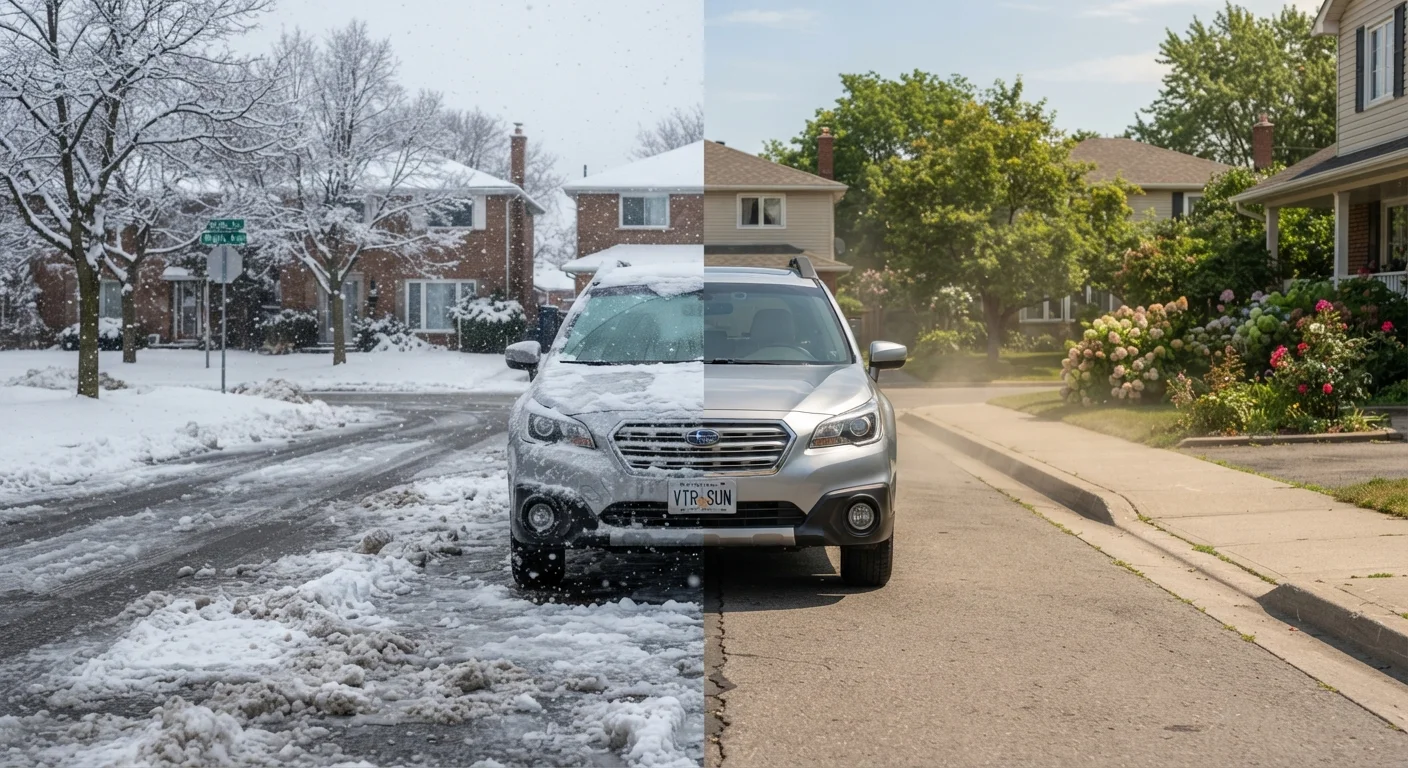
Temperature extremes are among the harshest conditions your vehicle faces. Summer heat can push coolant systems to their limits, accelerate tire wear, and drain batteries that are already aging. Winter cold thickens engine oil, reduces battery output by a significant margin, and turns a small windshield chip into a spreading crack overnight.
The good news: most seasonal failures are predictable. A focused inspection in the weeks before each season's peak gives you the window to address problems while they're manageable - and affordable. This checklist is organized by system so you can work through it methodically, whether in your driveway or at a shop. For a broader look at maintenance items that often get pushed aside, see our companion piece on car maintenance drivers routinely put off.
When to See a Mechanic, Not a Checklist
This checklist covers items the average driver can inspect at home. However, any finding involving brakes, steering, suspension, or active leaks should be evaluated by a licensed mechanic before the vehicle is driven in extreme conditions. If a warning light is illuminated on your dashboard, have it diagnosed promptly - seasonal stress can push a marginal component into failure.
What You'll Need to Get Started
Most of these checks require minimal equipment and can be completed in under an hour in a well-lit driveway or garage. A few items - battery testing, brake inspection, and coolant pressure testing - are better handled at a shop, where technicians have the proper diagnostic tools.
Tire Pressure Gauge
Measures tire inflation accurately so you can adjust to the manufacturer's recommended PSI.
Battery Load Tester
Tests whether the battery can hold a charge under realistic demand - available at most auto parts stores for free testing.
Coolant Test Strips or Refractometer
Checks antifreeze concentration to confirm protection at your region's temperature extremes.
Tread Depth Gauge or Penny
Measures remaining tire tread to determine whether tires are safe for continued use.
Jumper Cables or Portable Jump-Start Pack
Provides emergency starting power if the battery fails in extreme weather.
Flashlight or Headlamp
Allows you to safely inspect under the hood and beneath the vehicle in low-light conditions.
Work through this checklist in the morning when the engine is cold, which makes fluid levels easier to read accurately and removes the risk of burns from hot surfaces.
The Full Seasonal Checklist
Work through each group below. Items marked must are non-negotiable for safe operation; should items are strongly recommended; nice-to-have items add an extra layer of preparedness. Use the checklist whether you're prepping for a brutal July road trip or the first hard freeze of November.
Tires
Battery & Electrical
Fluids
Visibility & Safety Systems
Belts, Hoses & Filters
Emergency Kit & Preparedness
If you're also planning a long drive, cross-reference this list with our pre-drive vehicle checklist to make sure nothing falls through the cracks before you hit the highway.
Common Pitfalls to Avoid
Seasonal car care is straightforward, but a few missteps are common enough to call out explicitly.
Don't Overlook Brake System Checks
Brakes are safety-critical and should never be deferred if you notice reduced stopping distance, a soft pedal, grinding, or pulling to one side. These symptoms warrant an immediate inspection by a qualified mechanic - not a DIY visual check. Extreme heat from summer driving and the salt exposure of winter roads both accelerate brake wear.
Coolant Work Can Be Hazardous
Never open a radiator cap on a hot engine - pressurized coolant can cause serious burns. Allow the engine to cool fully before checking the reservoir. If the system appears to have a leak (low coolant with no obvious cause), have a mechanic pressure-test the cooling system rather than continuing to top it off.
Another frequent mistake is assuming that because a car passed its last inspection, it's ready for the next season. Inspections are point-in-time snapshots. Battery health, tire pressure, and fluid conditions change between visits - especially if six months have passed. Build this checklist into your calendar twice a year, ideally in early fall and early spring, and adjust based on your local climate's actual timing.
Finally, keep your vehicle's owner's manual accessible. Manufacturer specifications for fluid types, filter intervals, and tire pressures are the authoritative reference - not generalized online advice. If you're budgeting for upcoming maintenance, the budgeting basics hub has practical frameworks for setting aside funds for periodic car expenses.
The content on this site is for informational purposes only and is not a substitute for professional advice. Always consult a qualified professional for guidance specific to your situation.