

Why Preventive Care Matters
Preventive pet care is the practice of addressing health risks before they become problems — through vaccines, regular exams, parasite control, proper nutrition, and dental hygiene. It is far less expensive, emotionally and financially, to prevent illness than to treat it.
Veterinary consensus consistently shows that pets receiving routine preventive care live longer and experience fewer serious health episodes than those seen only during illness. The American Veterinary Medical Association (AVMA) describes wellness care as the foundation of responsible pet ownership.
This guide walks through every major pillar of preventive care so you can build a proactive routine tailored to your pet. For a species-by-species breakdown, see Pet Wellness Across Species.
4 in 5
Pets with dental disease by age 3
The American Veterinary Medical Association reports that most dogs and cats show signs of periodontal disease by their third year.
~53%
Dogs classified overweight or obese
The Association for Pet Obesity Prevention has consistently found that over half of U.S. dogs are above an ideal body weight in annual surveys.
12–14 yrs
Typical lifespan for well-cared-for indoor cats
Veterinary research links routine preventive care, indoor lifestyle, and healthy nutrition to longer average lifespans in domestic cats.
Vaccinations: Core and Non-Core
Vaccines train the immune system to recognize and fight specific pathogens. Veterinarians classify them as core (recommended for all pets regardless of lifestyle) and non-core (recommended based on risk factors like geography or outdoor access).
Dogs
- Core: Distemper, parvovirus, adenovirus (hepatitis), and rabies
- Non-core: Bordetella (kennel cough), leptospirosis, Lyme disease, canine influenza
Cats
- Core: Feline panleukopenia (FVRCP combination), herpesvirus, calicivirus, and rabies
- Non-core: Feline leukemia virus (FeLV), especially for outdoor cats
Schedules typically begin in puppyhood or kittenhood and require boosters at intervals your veterinarian will establish. Never skip boosters without consulting your vet — immunity can wane. If you are starting with a new pet, Pet Health From Day One provides a helpful starting roadmap.
Keep a dedicated folder — physical or digital — for every vaccine certificate, lab result, and vet visit summary. This history becomes critical if your pet needs specialist care or you relocate.
Veterinary specialists and emergency clinics rely heavily on prior health records to make fast, accurate decisions, especially for older pets.
When your pet receives a new vaccine, note the date, product name, and any reactions in your records. If a reaction occurs, report it to your vet before the next booster so the protocol can be adjusted.
Mild vaccine reactions are uncommon but real; having a documented history helps your vet decide whether to pre-medicate or switch products at future visits.
Parasite Prevention and Control
Parasites — both external (fleas, ticks, mites) and internal (heartworm, roundworms, hookworms, tapeworms) — pose year-round risks in most U.S. regions. Many veterinarians recommend continuous prevention rather than seasonal treatment, since parasite populations vary and indoor pets are not fully protected.
Key parasites to address
- Heartworm
- Transmitted by mosquitoes and potentially fatal; prevention is a monthly oral or topical medication that must be used consistently. Treatment of active heartworm infection is expensive and hard on pets.
- Fleas and ticks
- Fleas cause skin reactions and can transmit tapeworms; ticks transmit Lyme disease, ehrlichiosis, and other serious illnesses. Prevention products target both simultaneously.
- Intestinal parasites
- Routine fecal testing at annual exams detects worm eggs before symptoms appear. Some intestinal worms are transmissible to humans, making control a public health concern as well.
Never Use Dog Parasite Products on Cats
Several active ingredients in canine flea and tick preventives — particularly permethrin — are highly toxic to cats and can cause seizures or death. Always verify that a product is labeled specifically for the species you are treating. When in doubt, ask your veterinarian before applying any topical or oral parasite control.
Discuss the appropriate prevention products with your veterinarian — formulations vary by species, weight, and health status, and some products safe for dogs are toxic to cats.
Dental Health: The Overlooked Essential
Studies suggest that by age three, the majority of dogs and cats show signs of periodontal disease — bacterial infection of the gum tissue and bone supporting the teeth. Left untreated, oral bacteria can enter the bloodstream and affect the heart, kidneys, and liver.
Preventive dental care involves several layers:
- Daily or frequent tooth brushing with pet-safe toothpaste (never human toothpaste, which contains xylitol, toxic to dogs)
- Veterinary dental cleanings performed under anesthesia, which allow thorough scaling below the gumline
- Dental chews and water additives as supplementary tools — useful, but not substitutes for brushing or professional cleanings
Ask your veterinarian to grade your pet's dental health at each exam using the standard four-point scale. Early-stage disease is reversible; advanced disease may require extractions.
Nutrition and Healthy Weight
Obesity is one of the most prevalent and preventable health conditions in companion animals. Excess body weight contributes to arthritis, diabetes, heart disease, and reduced life expectancy. Body Condition Scoring (BCS), a standardized 9-point scale, helps owners and vets assess whether a pet is underweight, ideal, or overweight independent of breed-specific weight norms.
Practical nutrition guidelines include:
- Feed a diet appropriate for the pet's species, life stage (puppy/kitten, adult, senior), and health status
- Measure portions rather than free-feeding to prevent gradual weight gain
- Count treats as part of total daily calories — treats should not exceed roughly 10% of caloric intake
- Transition to new foods gradually over 7–10 days to prevent gastrointestinal upset
Always consult your veterinarian before changing a pet's diet, particularly for animals with existing conditions such as kidney disease, diabetes, or food allergies. For daily and monthly nutrition reminders, the Monthly Pet Care Checklist is a practical companion resource.
Routine Veterinary Exams
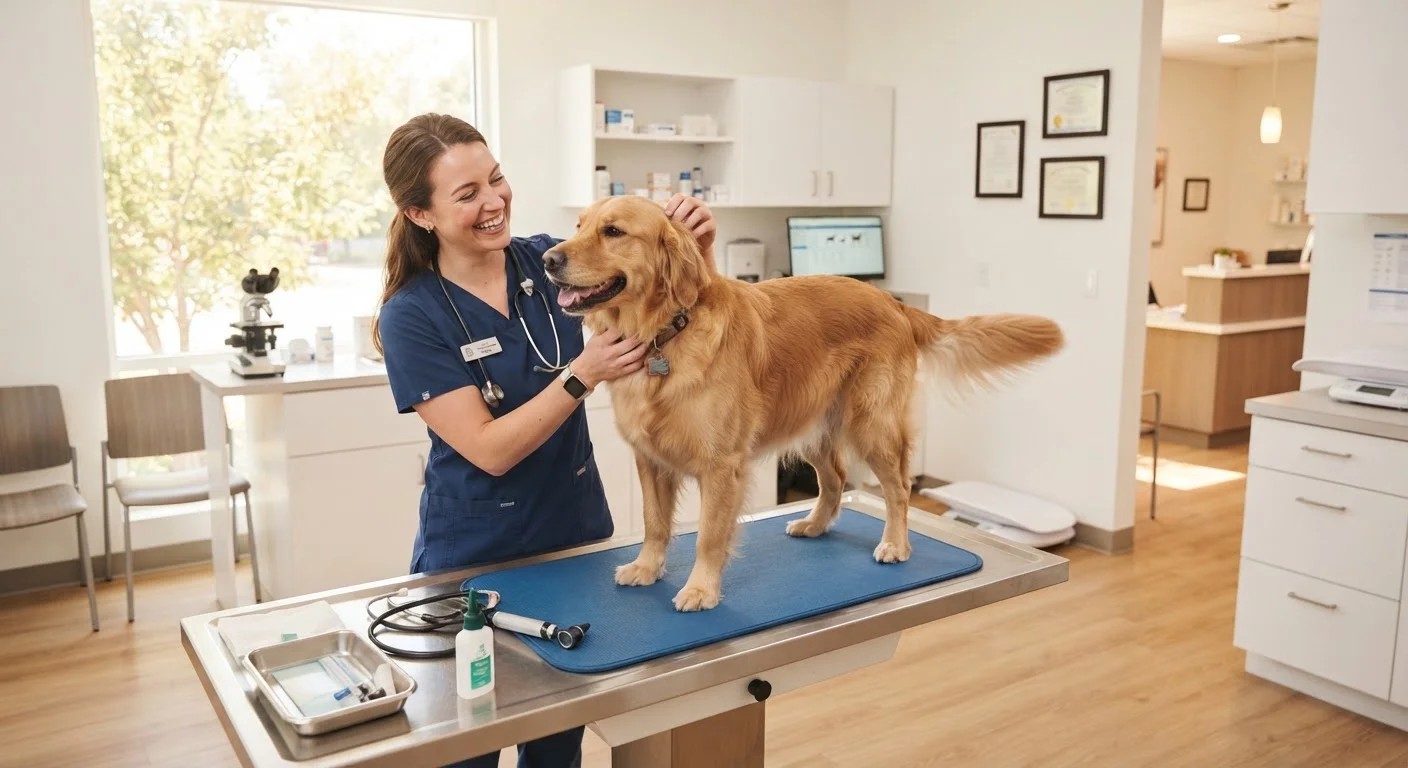
A physical examination by a licensed veterinarian at least once per year — twice for senior pets or those with chronic conditions — is the single most important preventive tool available. Exams allow vets to detect heart murmurs, lumps, early organ changes, vision or hearing decline, and dental disease that owners cannot identify at home.
What to expect at a wellness exam:
- Weight and body condition assessment
- Heart and lung auscultation
- Abdominal palpation
- Lymph node evaluation
- Skin, coat, ear, and eye inspection
- Vaccination review and administration as needed
- Fecal or blood tests appropriate to age and risk factors
Keep a written health record for your pet noting vaccine dates, parasite prevention products used, dietary changes, and any behavioral or physical changes you observe between visits. Small behavioral shifts are often the earliest signs of illness. For more guidance on building these habits, see Small Habits That Make a Big Difference in Pet Longevity.
This article provides general pet care information and is not a substitute for professional veterinary advice. Always consult a licensed veterinarian for guidance specific to your pet's health needs.
The content on this site is for informational purposes only and is not a substitute for professional advice. Always consult a qualified professional for guidance specific to your situation.