

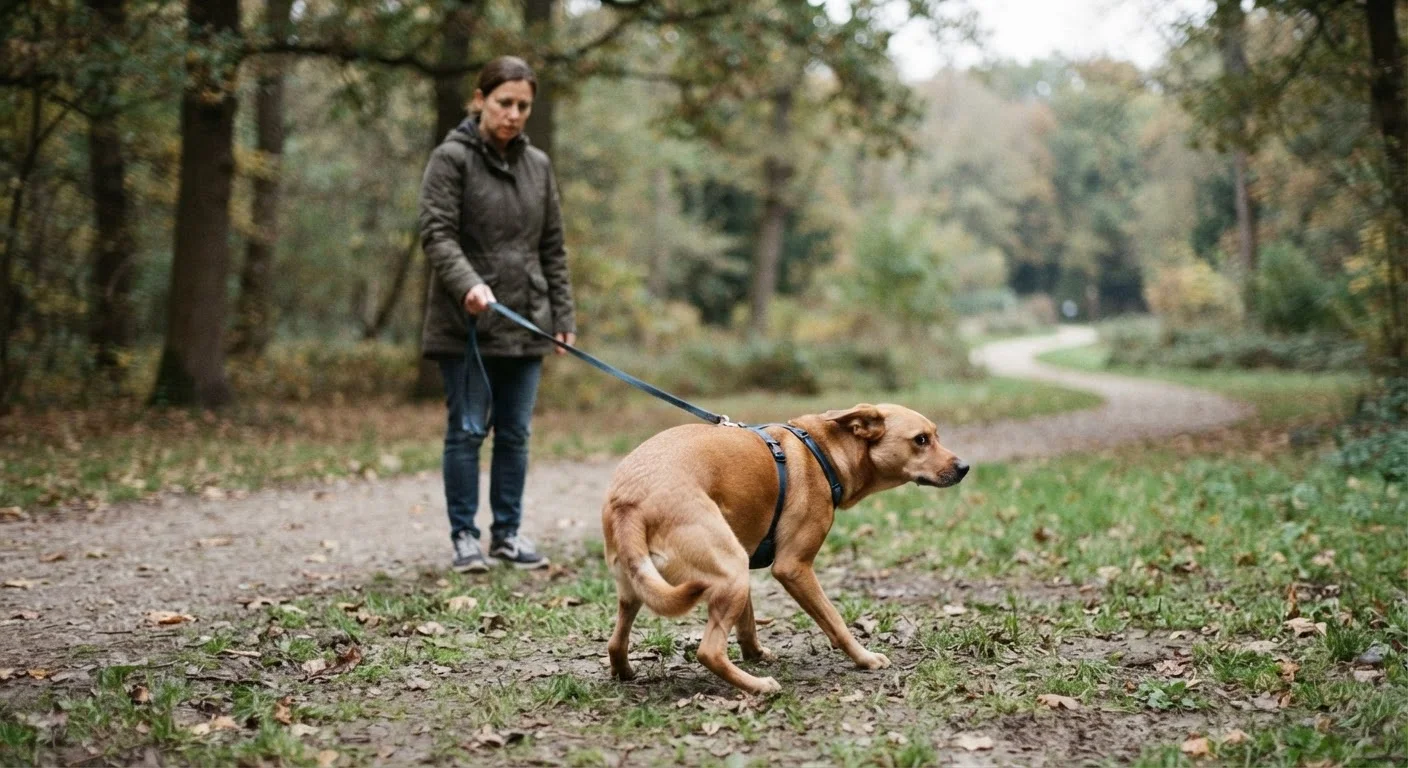
Why Good Intentions Don't Always Prevent Stress
Most pet owners start training with genuine care — wanting a well-behaved animal and a stronger bond. But certain approaches, even when well-meaning, can generate anxiety rather than confidence. The problem is that stressed pets don't always look distressed in obvious ways. They may freeze, avoid eye contact, yawn excessively, or simply shut down. These responses are easy to misread as defiance or disinterest.
Understanding what behavioral science tells us about pet emotional wellness is a useful starting point. When animals associate training with unpredictability, discomfort, or failure, stress hormones elevate — and repeated exposure can entrench anxiety rather than dissolve it. The goal of this article is to help you identify the training habits most likely to be working against you, and how to course-correct.
Common Training Mistakes That Increase Pet Stress
The mistakes below are among the most frequently observed by certified animal behaviorists. Each one is correctable once recognized.
Repeating a cue multiple times when the pet doesn't respond.
Why it happens: Owners assume the pet didn't hear or understand, so they say the cue again — and again. In practice, this teaches the pet that the first cue is optional.
Training sessions that run too long, especially with young or anxious animals.
Why it happens: Owners become enthusiastic when progress is going well and push beyond the pet's actual attention and stress threshold.
Using punishment or aversive corrections to suppress unwanted behavior.
Why it happens: Aversive methods often produce an immediate visible stop to a behavior, which owners interpret as success — but they rarely address the underlying cause.
Training in high-distraction environments before the pet has mastered the skill in calm ones.
Why it happens: Owners assume that once a pet performs a behavior at home, it should generalize automatically to busier settings.
Responding inconsistently to the same behavior — sometimes allowing it, sometimes correcting it.
Why it happens: Daily life is unpredictable; owners may enforce rules strictly some days and let things slide when tired or distracted.
For a broader look at flawed training assumptions, see training myths that frustrate pet owners and slow progress.
Physical and Behavioral Signals Your Pet Is Stressed
~70%
Dogs showing stress signals during training
Research published in veterinary behavior journals suggests a significant proportion of dogs exhibit stress-related body language during standard training interactions, often going unnoticed by owners.
5–10 min
Recommended maximum session length for most pets
Certified animal behaviorists consistently recommend keeping training sessions brief to minimize cortisol buildup and maintain positive associations with the training context.
Stress during training shows up in the body before it shows up in behavior problems. In dogs, watch for lip licking, yawning (outside of genuine tiredness), pinned ears, a tucked tail, shaking off as if wet, or sudden sniffing of the ground. In cats, flattened ears, a lashing tail, dilated pupils, or retreating to hide are clear indicators that a session has become overwhelming.
These are not signs of a "bad" animal — they are communication. If you notice these signals mid-session, stop immediately, allow your pet to decompress, and shorten or simplify future sessions. Stress responses that persist outside of training contexts may signal something deeper. The signs of pain that are easy to miss can sometimes overlap with stress signals, so ruling out physical discomfort with a veterinarian is worth doing if the behavior is new or escalating.
When Stress Signals Require Veterinary Attention
If your pet shows persistent anxiety, aggression, self-directed behaviors (such as excessive licking or chewing), or sudden behavioral changes unrelated to training context, consult your veterinarian. These may indicate an underlying medical issue or clinical anxiety disorder. Behavioral changes can sometimes signal pain, not just emotional distress, and a professional evaluation is the safest first step.
Building a Calmer, More Effective Training Practice
Shifting to a lower-stress training approach doesn't require starting from scratch — it requires adjusting pacing, consistency, and the emotional tone of sessions. Keep sessions short (five to ten minutes for most dogs; even shorter for cats or anxious animals). End every session on a success, even if that means reverting to a skill your pet already knows well. Use high-value rewards your pet genuinely finds motivating, not just what's convenient.
The science behind positive reinforcement explains clearly why reward-based methods produce more durable learning and less anxiety. If your household includes multiple animals, training cats and dogs to coexist peacefully requires the same patience-first approach. When stress signals persist despite genuine effort to change your methods, a certified professional — a veterinary behaviorist or a certified applied animal behaviorist — can offer targeted guidance tailored to your specific pet.
This article provides general educational information about pet behavior and training. It is not a substitute for personalized advice from a qualified veterinarian or certified animal behaviorist.
The content on this site is for informational purposes only and is not a substitute for professional advice. Always consult a qualified professional for guidance specific to your situation.