

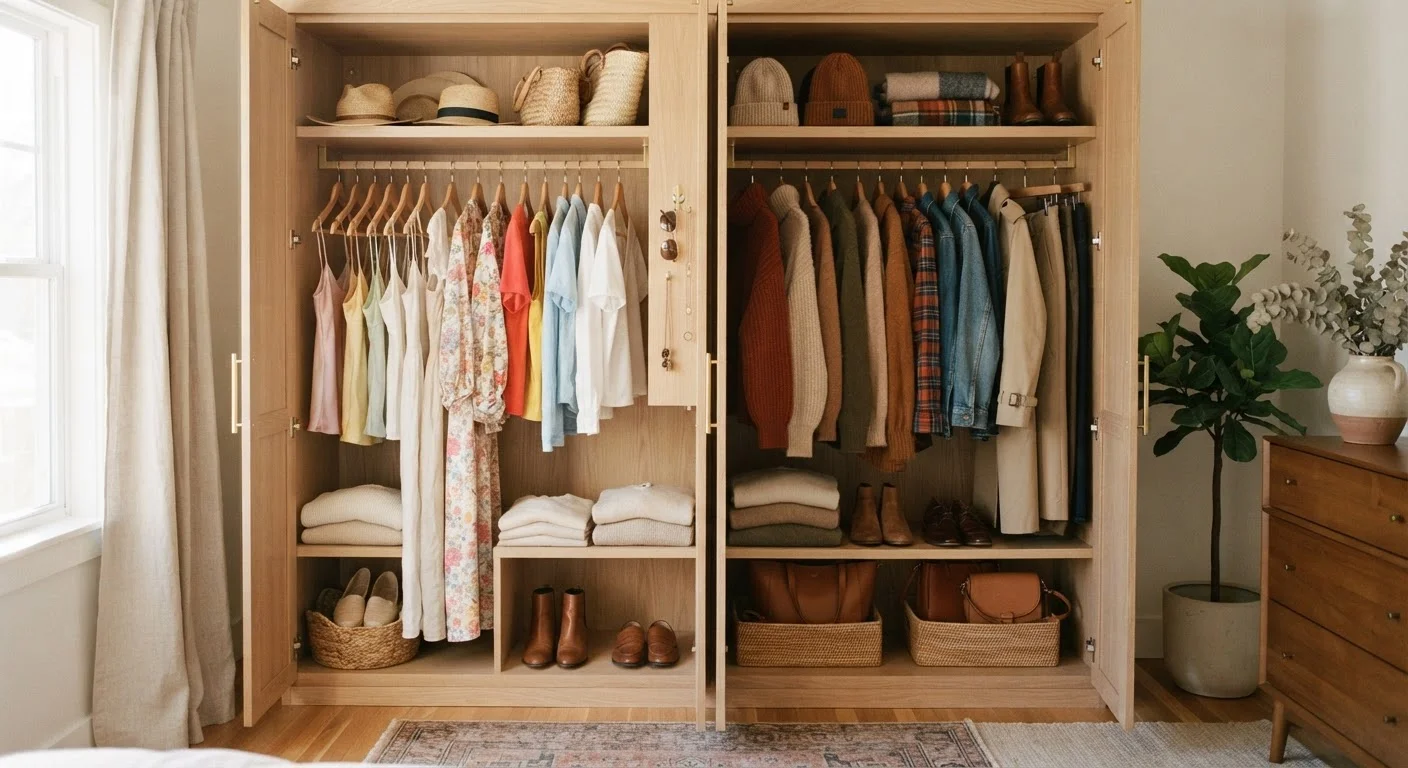
Why Seasonal Transitions Don't Have to Mean Starting Over
The idea that you need an entirely new wardrobe every few months is one of the most persistent — and expensive — myths in everyday fashion. In reality, most of what you already own can carry you through a seasonal shift with a few thoughtful adjustments. The goal isn't a closet full of season-specific pieces; it's a flexible wardrobe that moves with you.
Approaching seasonal transitions as an edit and rotate process — rather than a replace-and-refresh one — keeps costs manageable and helps you make smarter decisions about the few new items worth adding. It also gives your existing clothes a longer, better-used life, which is both practical and sustainable.
Lean on Transitional Fabrics
Fabrics like cotton-linen blends, lightweight merino wool, and chambray work across a wide temperature range. Building your wardrobe around a few of these versatile materials means fewer items need to come out of or go into storage as the seasons shift — a smart move for smaller closets and tighter budgets.
Before you begin, gather your storage containers, cleaning supplies, and label-making tools. Having what you need on hand makes the process go much faster.
What you will need
How to Rotate Your Wardrobe Season by Season
The steps below work for any seasonal transition — summer to fall, winter to spring, or the murkier in-between weeks when mornings are cold and afternoons are not. Follow them in order for the smoothest experience.
Pull Everything Out and Do a Quick Reality Check
Before you rotate anything, take stock of what you actually own. Pull your current-season items to the front and honestly assess each piece: Does it fit well right now? Did you reach for it in the past three months? Is it in good condition?
Anything that's worn out, doesn't fit, or went unworn despite being accessible is a candidate to donate or recycle — not store. Storing things you don't wear just means dealing with the same decision again next year.
Identify Your Bridge Pieces
Most wardrobes contain items that comfortably span two seasons — lightweight denim, cotton turtlenecks, denim jackets, or midi skirts in neutral tones. These are your bridge pieces, and they stay accessible rather than going into storage.
Identifying them first gives you a reliable outfit foundation for the awkward in-between weather weeks. If you're building your core wardrobe from scratch, our guide to starting a wardrobe walks through which foundational pieces work hardest across seasons.
Clean Everything Before It Goes Into Storage
This is the step most people skip — and it's the most consequential one. Wash or dry-clean every item you're putting away, even if it looks clean. Body oils and light stains become permanent over months and can attract fabric-damaging pests.
For care label guidance and habits that genuinely extend garment life, see our article on caring for everyday clothes.
Pack and Label Off-Season Items Thoughtfully
Group stored items logically — by category (knitwear, outerwear, swimwear) rather than randomly — and label each container clearly. Use breathable bins or cotton bags, and add cedar blocks or lavender sachets to protect natural fibers. Store containers in a cool, dry location away from direct sunlight.
For a broader approach to rotating seasonal items throughout your home — not just clothes — the seasonal organization guide covers the full picture efficiently.
Bring In the New Season — and Spot Real Gaps
Once incoming-season items are accessible, do a short try-on session. Things change: bodies change, tastes shift, and items that seemed fine packed away may show wear now. Keep only what you'd genuinely reach for.
After this edit, you'll have a clear picture of actual gaps — a missing transitional layer, a worn-out pair of trousers — rather than a vague sense that you need more clothes. That clarity makes any small seasonal additions intentional rather than impulsive, which is better for your budget and your closet alike.
Reset Your Closet for Easy Daily Dressing
Arrange what remains by how you actually get dressed — not by color or category alone. Group outfits or outfit-starting pieces together at eye level. Hang items you want to reach for first; fold bulky pieces to save rod space. A closet organized around your real daily routine makes getting dressed faster and more enjoyable.
For more on building a wardrobe that reflects the life you genuinely live — not an aspirational one — our piece on dressing for your actual daily life is worth a read.
Clean Before You Store — Always
Storing clothes with body oils, deodorant residue, or food stains — even faint ones — can set those stains permanently and attract moths or mildew. Always wash or dry-clean items before boxing them up for months. This single habit dramatically extends the life of your clothes and saves money over time.
After completing your transition, you'll have a cleaner view of what you truly need — and a closet you can actually navigate. That clarity tends to make daily dressing noticeably less stressful, which is the whole point.
For a comprehensive look at how fit, color, and fabric choices feed into this kind of functional wardrobe, the complete everyday fashion guide covers everything end to end.
Avoid Plastic Bags for Long-Term Storage
Sealed plastic bags trap moisture, which can cause yellowing, mildew, and fabric breakdown over a storage season. Use breathable cotton storage bags or lidded bins lined with acid-free tissue paper instead. Cedar blocks or lavender sachets help deter pests without harsh chemicals.
The content on this site is for informational purposes only and is not a substitute for professional advice. Always consult a qualified professional for guidance specific to your situation.