

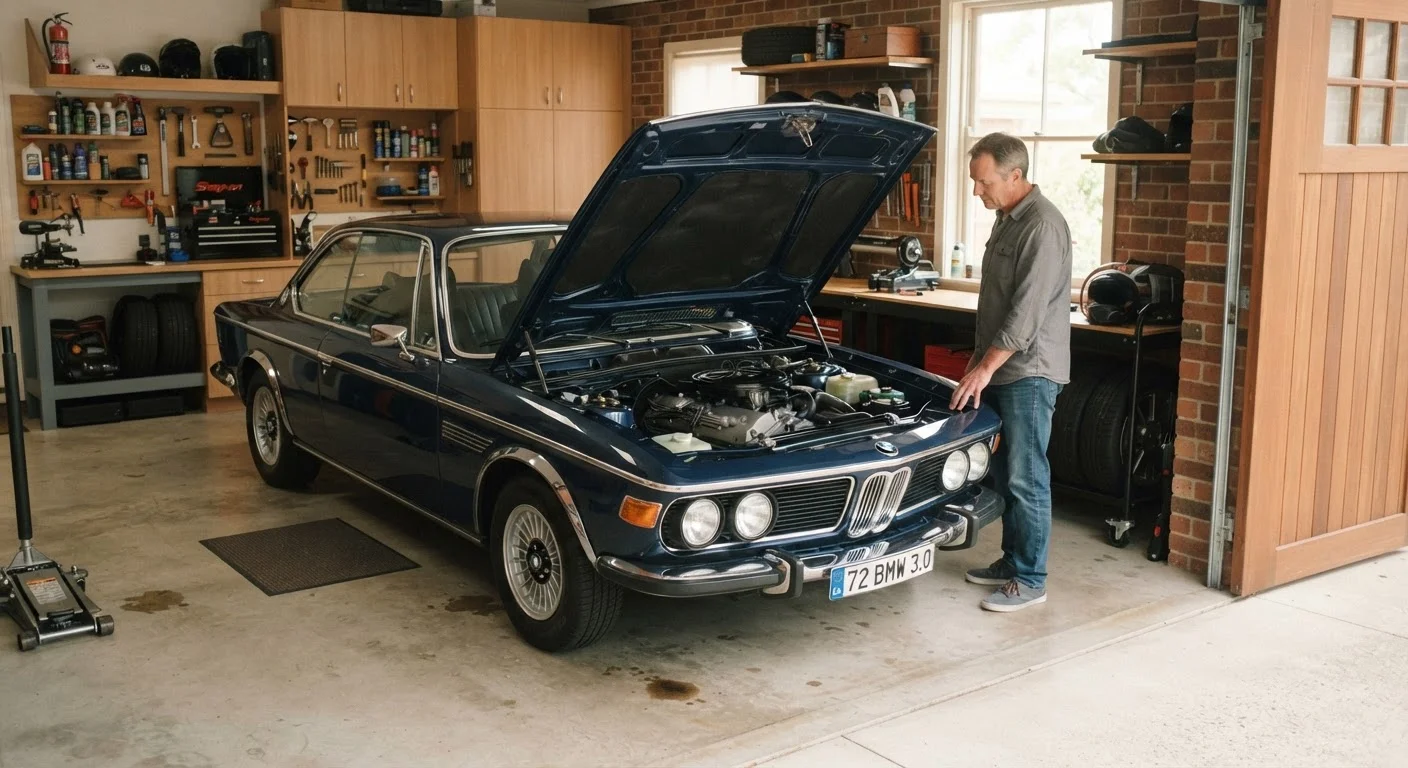
Why Habits Matter More Than Big Repairs
Most vehicles that reach 200,000 miles don't get there by accident. They get there because their owners built a consistent rhythm of small, low-cost habits - checking fluids, driving smoothly, and responding to warning signs before they escalate. No single oil change or tire rotation extends a car's life dramatically, but the accumulation of these actions over years makes a measurable difference.
The inverse is equally true. Neglected maintenance and aggressive driving styles quietly erode a vehicle's components, and by the time the damage is obvious, repair bills are typically far higher than the upkeep would have cost. This guide covers the habits that genuinely move the needle - practical enough for any driver to start today.
Core Driving Habits That Reduce Mechanical Wear
How you drive is just as important as how often you service your car. Aggressive acceleration and hard braking are among the fastest ways to wear out brake pads, rotors, transmission components, and tires.
Accelerate and brake gradually in normal driving conditions.
Hard braking generates significant heat and friction that wears rotors and pads far faster than smooth stops. Rapid acceleration strains the transmission and drivetrain, particularly in stop-and-go traffic.
Avoid driving on a near-empty fuel tank regularly.
The fuel pump in most modern vehicles is submerged in the tank and relies on gasoline for cooling and lubrication. Running consistently low forces the pump to draw in air and heat, accelerating wear.
Respect your vehicle's towing and load limits.
Exceeding the rated payload or towing capacity stresses the engine, transmission, brakes, suspension, and frame simultaneously. Even occasional overloading can cause cumulative damage that isn't immediately visible.
Park in covered or shaded areas when possible.
Prolonged UV exposure degrades rubber seals, fades paint, and dries out interior materials including the dashboard and upholstery. Extreme heat also stresses plastic components under the hood.
Address unusual sounds or warning lights promptly.
Most warning systems are designed to alert drivers before a problem becomes catastrophic. Ignoring them typically transforms a minor repair into a major one.
Beyond the brakes and transmission, engine warm-up matters - especially in cold climates. Modern fuel-injected engines don't need prolonged idling, but driving gently for the first few minutes after a cold start allows oil to circulate fully and metal components to expand to their operating tolerances. Jackrabbit starts on a cold engine put unnecessary stress on parts that aren't yet fully lubricated.
Maintenance Habits That Pay for Themselves
Scheduled maintenance isn't just a manufacturer formality - it's an engineering prescription. Your owner's manual specifies service intervals based on how your vehicle's systems were actually designed to operate. Following those intervals for oil changes, transmission fluid, coolant, and brake fluid keeps each system working within its intended parameters.
Oil is worth highlighting specifically. The old 3,000-mile rule is largely obsolete for modern engines. Many vehicles can go significantly longer between oil changes with full synthetic oil - but the right interval depends on your car, your oil type, and your driving conditions. See what skipping an oil change actually risks for a closer look at how to read your vehicle's real needs.
Tire rotation is another habit with an outsized return. Front and rear tires wear at different rates depending on drivetrain layout and steering load. Rotating them on schedule - typically every 5,000 to 7,500 miles, but check your manual - evens out that wear and extends the usable life of the full set. For a broader look at commonly skipped items, see maintenance drivers routinely put off.
Keeping an Eye on the Small Stuff
Vehicles communicate early and often when something is off - through unusual sounds, dashboard lights, vibrations, or changes in handling. Drivers who pay attention to these signals and investigate promptly almost always spend less than those who wait until the issue forces a breakdown.
Dashboard Warning Lights Are Not Optional
Modern vehicles have dozens of sensors monitoring engine, emissions, transmission, and safety systems. A check engine light or other warning is a signal - not a suggestion. Some indicate minor issues; others point to conditions that can cause serious engine or emissions damage if ignored. Having warning lights diagnosed promptly at a qualified shop is generally far less expensive than the repairs that result from continued driving without investigation.
Regular visual checks take only minutes and can catch problems before they compound. Walk around your car occasionally and look at tire condition, check for fluid spots under the vehicle, and note whether warning lights have appeared. If you're newer to car ownership and want a structured starting point, a first-time owner's upkeep roadmap covers the full picture. And before any extended drive, it's worth running through a pre-trip check - our guide to preparing your car for a long road trip walks through what to verify before hitting the highway.
The content on this site is for informational purposes only and is not a substitute for professional advice. Always consult a qualified professional for guidance specific to your situation.