

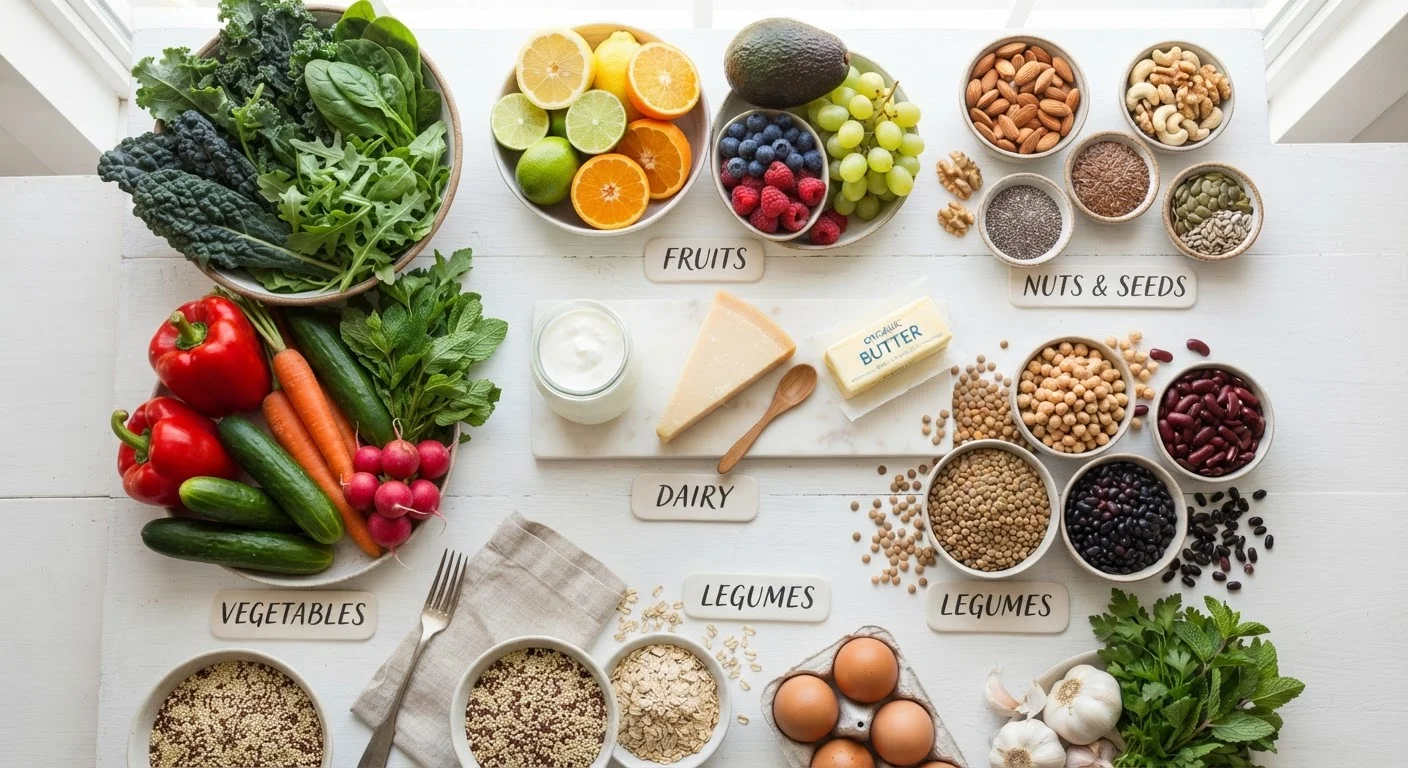
What Are Micronutrients and Why Do They Matter?
Micronutrients are vitamins and minerals your body requires in relatively small amounts - but their impact is anything but small. They drive nearly every biological process: energy metabolism, immune defense, bone formation, DNA repair, and nerve signaling all depend on an adequate and balanced supply. Unlike macronutrients such as carbohydrates, protein, and fat, micronutrients provide no calories. Instead, they act as catalysts and structural components that make every other process work correctly.
Vitamins are organic compounds - meaning they contain carbon and can be broken down by heat, air, or acid. Minerals are inorganic elements that retain their structure regardless of cooking or processing. Both groups are further divided: vitamins split into fat-soluble (A, D, E, K) and water-soluble (the B vitamins and C); minerals split into macrominerals (needed in larger amounts, such as calcium and magnesium) and trace minerals (needed in tiny amounts, such as iron and zinc).
Fat-soluble vitamins
Vitamins A, D, E, and K, which dissolve in fat and are stored in body tissues. Because they accumulate, excessive intake from supplements can reach toxic levels over time.
Water-soluble vitamins
The B-vitamin group and vitamin C, which dissolve in water. Excess amounts are generally excreted in urine, though very high supplement doses can still cause problems.
Trace minerals
Minerals required by the body in very small amounts - typically less than 100 mg per day. Examples include iron, zinc, selenium, and iodine.
Macrominerals
Minerals needed in larger amounts relative to trace minerals, including calcium, magnesium, potassium, sodium, and phosphorus.
Bioavailability
The proportion of a nutrient that the body actually absorbs and uses. Bioavailability varies with the food source, preparation method, and the presence of other nutrients or inhibitors.
Recommended Dietary Allowance (RDA)
The average daily intake level sufficient to meet the nutrient requirements of nearly all healthy people in a particular age and sex group, as established by national health authorities.
Tolerable Upper Intake Level (UL)
The highest average daily intake of a nutrient that is unlikely to cause adverse health effects in most people. Intakes above the UL increase the risk of harm.
Megaloblastic anemia
A type of anemia where red blood cells are abnormally large and poorly formed due to insufficient folate or vitamin B12, impairing their ability to carry oxygen effectively.
This article is for informational purposes only and is not a substitute for personalized medical or nutritional advice. Consult a qualified healthcare professional before making significant changes to your diet or considering supplementation.
Key Vitamins: Functions, Sources, and Warning Signs
The table below covers the vitamins most relevant to everyday dietary decisions. Deficiency signs listed are general indicators recognized in nutritional science - they are not diagnostic criteria.
| Vitamin | Primary Roles | Notable Food Sources | Deficiency Signals | Excess Risks |
|---|---|---|---|---|
| Vitamin A | Vision, immune function, skin integrity | Liver, dairy, eggs; beta-carotene in sweet potato, carrots, spinach | Night blindness, dry skin, frequent infections | Toxicity possible from supplements; excess beta-carotene generally safe |
| Vitamin D | Calcium absorption, bone health, immune modulation | Fatty fish, fortified milk; skin synthesis from sunlight | Bone pain, muscle weakness, low mood | Hypercalcemia from very high supplement doses |
| Vitamin E | Antioxidant protection, immune support | Sunflower seeds, almonds, vegetable oils, spinach | Nerve damage (rare except in fat malabsorption disorders) | May interfere with blood clotting at very high doses |
| Vitamin K | Blood clotting, bone metabolism | Leafy greens (kale, broccoli), fermented foods (K2) | Impaired clotting, easy bruising | Not established from food; supplements may interact with anticoagulants |
| Vitamin C | Collagen synthesis, antioxidant, immune support, iron absorption | Citrus, bell peppers, strawberries, broccoli | Fatigue, gum disease, slow wound healing (severe deficiency: scurvy) | GI upset at very high supplement doses |
| B1 (Thiamine) | Energy metabolism, nerve function | Whole grains, pork, legumes | Fatigue, nerve tingling (severe: beriberi) | No established upper limit from food |
| B3 (Niacin) | DNA repair, energy production | Poultry, fish, peanuts, fortified grains | Dermatitis, diarrhea, confusion (severe: pellagra) | Flushing, liver stress from high-dose supplements |
| B9 (Folate) | DNA synthesis, red blood cell formation, fetal neural development | Leafy greens, legumes, fortified cereals, liver | Megaloblastic anemia, neural tube defects in pregnancy | High intake may mask B12 deficiency |
| B12 (Cobalamin) | Nerve function, red blood cell production, DNA synthesis | Meat, fish, dairy, eggs; fortified plant-based foods | Fatigue, numbness, cognitive changes, anemia | No established upper limit; poorly absorbed in excess |
Understanding how to read food labels can help you identify which vitamins are present in fortified packaged foods.
Key Minerals: Functions, Sources, and Warning Signs
| Vitamins classified as fat-soluble | 4 (A, D, E, K) (National Institutes of Health, Office of Dietary Supplements) |
| B vitamins in total | 8 (National Institutes of Health, Office of Dietary Supplements) |
| Essential minerals for human health | ~16 recognized (Dietary Reference Intakes, National Academies of Sciences) |
| Most common micronutrient deficiency globally | Iron deficiency (World Health Organization) |
| Vitamin D: adults at risk of insufficiency (U.S.) | ~42% (Nutrition Research, 2011 NHANES analysis) |
| Vitamin with highest UL toxicity concern from supplements | Vitamin A (preformed) (National Institutes of Health, Office of Dietary Supplements) |
| Mineral | Primary Roles | Notable Food Sources | Deficiency Signals | Excess Risks |
|---|---|---|---|---|
| Calcium | Bone and tooth structure, muscle contraction, nerve signaling | Dairy, fortified plant milks, tofu, sardines, kale | Muscle cramps, brittle bones (long-term: osteoporosis) | Kidney stones, impaired mineral absorption at very high intakes |
| Magnesium | Over 300 enzyme reactions, muscle and nerve function, blood sugar regulation | Nuts, seeds, legumes, whole grains, dark chocolate | Muscle cramps, fatigue, irregular heartbeat | Laxative effect from supplements; toxicity rare with food |
| Iron | Oxygen transport (hemoglobin), energy metabolism | Red meat, shellfish, legumes, fortified cereals, spinach | Fatigue, pale skin, impaired concentration, iron-deficiency anemia | GI distress; hemochromatosis risk with genetic predisposition |
| Zinc | Immune function, wound healing, taste and smell, DNA synthesis | Oysters, red meat, poultry, beans, nuts, fortified grains | Slow wound healing, hair loss, impaired immunity, altered taste | Copper deficiency, nausea at high supplement doses |
| Potassium | Fluid balance, muscle function, blood pressure regulation | Bananas, potatoes, leafy greens, beans, dairy, fish | Weakness, cramps, abnormal heart rhythm (hypokalemia) | Dangerous cardiac effects at very high doses, especially with kidney disease |
| Selenium | Antioxidant enzyme function, thyroid hormone metabolism | Brazil nuts, seafood, poultry, eggs, whole grains | Muscle weakness, thyroid dysfunction, weakened immunity | Hair loss, nail brittleness, GI issues (selenosis) |
| Iodine | Thyroid hormone production, metabolism, fetal brain development | Iodized salt, seaweed, dairy, seafood | Goiter, hypothyroidism, cognitive impairment in children | Thyroid dysfunction at chronically high intakes |
Supplements Are Not a Substitute for Food
While supplements can correct clinically confirmed deficiencies, whole foods deliver micronutrients alongside fiber, phytochemicals, and other compounds that work synergistically. Most healthy adults without a diagnosed deficiency are best served by focusing on dietary variety first. Always consult a healthcare provider before starting any supplement regimen, particularly for fat-soluble vitamins or minerals with narrow safety windows.
For a broader view of how nutrition science evolves and why recommendations change, see our article on why dietary advice seems to keep changing.
The content on this site is for informational purposes only and is not a substitute for professional advice. Always consult a qualified professional for guidance specific to your situation.