

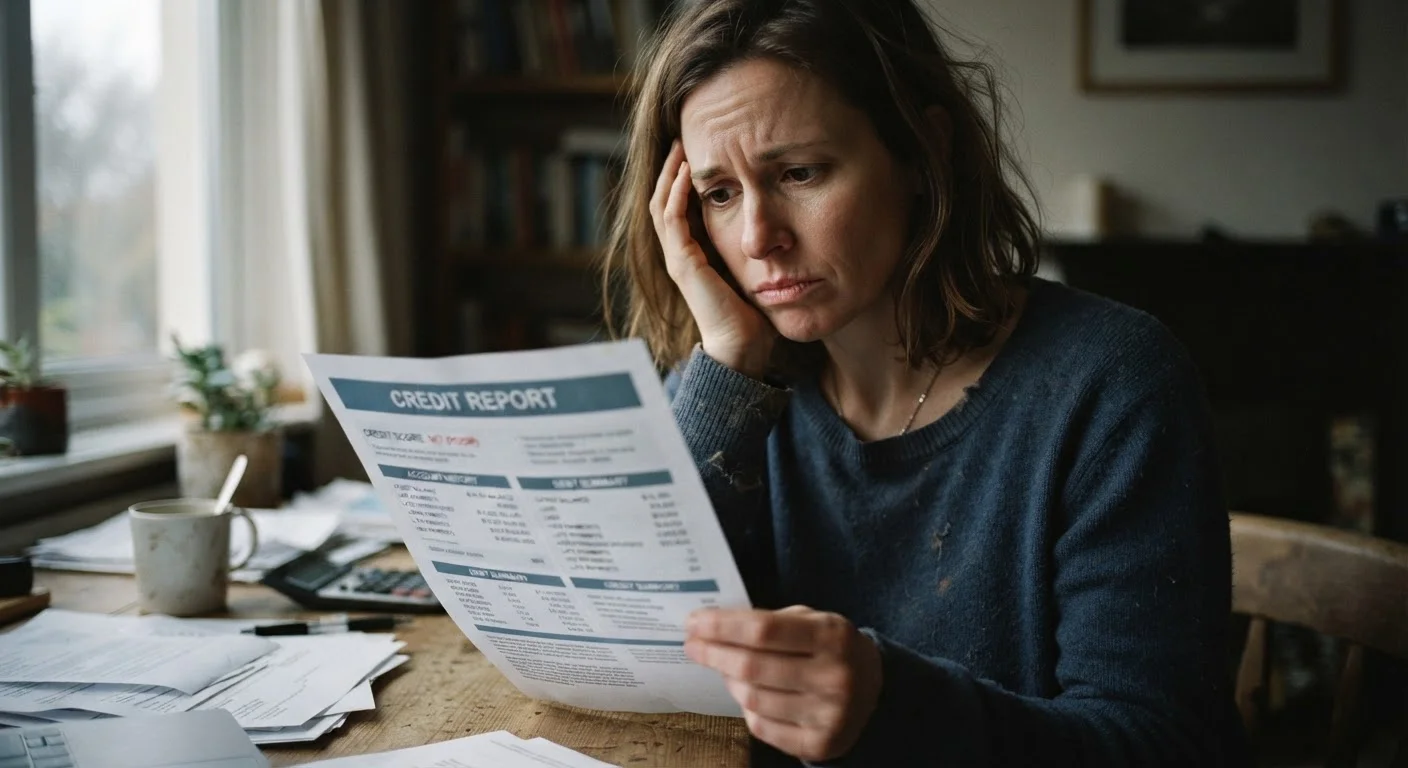
How Small Habits Compound Into Big Credit Problems
Credit damage rarely arrives all at once. More often, it accumulates gradually — the product of small, repeated behaviors that seem harmless in isolation but erode your credit profile over months or years. Understanding the mechanics behind your credit score is the first step to protecting it. For a foundational overview, see our guide to credit and debt from the ground up.
The habits below are particularly dangerous because they carry no immediate, visible consequences. There's no alarm that sounds when your utilization creeps up or when an old account gets closed. By the time many people notice the damage — a declined loan application, a higher interest rate offer — the contributing behaviors have been in place for a long time. Recognizing them early is the most effective form of credit protection.
Set Up Automatic Payments Where Possible
Automating at least the minimum payment due on each account eliminates the most common cause of credit damage: a forgotten bill. Review your automated payments periodically to confirm they're processing correctly and that your linked bank account has sufficient funds. Even one returned payment can reverse the protection automation provides.
Seven Habits That Quietly Erode Your Credit
Paying bills even slightly late
Payment history is the single largest factor in most credit scoring models, typically accounting for around 35% of your score. A payment that is 30 days or more past due can be reported to the credit bureaus and remain on your report for up to seven years. What surprises many people is how little it takes — one missed payment on an otherwise clean record can cause a significant score drop. Automated payments or calendar alerts for every recurring bill are among the most reliable safeguards.
One missed payment on an otherwise clean record can cause a significant and lasting score drop.
Carrying a high credit utilization ratio
Credit utilization — the percentage of your available revolving credit that you're using — is typically the second largest scoring factor. Consistently carrying balances close to your credit limits signals financial strain to lenders, even if you pay on time every month. A utilization ratio above 30% is generally considered elevated, and scoring models are sensitive enough that even modest reductions can produce noticeable improvements. Spreading balances across cards or requesting a credit limit increase (without increasing spending) can help lower this ratio.
High utilization signals financial strain to lenders even when you never miss a payment.
Closing old or unused credit accounts
It seems intuitive to close a credit card you no longer use — less clutter, less temptation. But closing an account has two simultaneous negative effects: it reduces your total available credit (raising your utilization ratio) and can shorten your average credit history length, which is a separate scoring factor. Older accounts, even dormant ones, typically benefit your score by anchoring the length of your credit history. Unless an account carries a fee that isn't justified, keeping it open and occasionally using it for a small purchase may serve your credit profile better. For more on this, common credit score myths often include the belief that closing cards is always smart.
Closing an old card simultaneously raises your utilization and shortens your credit history.
Applying for multiple new accounts in a short period
Every time you apply for a new credit card or loan, the lender typically performs a hard inquiry on your credit report. One hard inquiry has a modest effect, but multiple applications in a short window signal to lenders that you may be in financial distress or taking on more credit than you can manage. The inquiries remain on your report for two years, though their scoring impact generally fades after about a year. The strategic approach is to apply only when you need new credit, and to research likely approval criteria before applying to minimize unnecessary pulls.
Multiple credit applications in a short window send a distress signal to lenders and scoring models alike.
Co-signing loans without understanding the full risk
Co-signing makes you equally responsible for the debt. If the primary borrower pays late, misses payments, or defaults, those events appear on your credit report just as they would if the debt were entirely yours. The loan also counts against your debt-to-income ratio, which can affect your own borrowing capacity. Many co-signers don't receive automatic notifications when the primary borrower misses a payment — by the time they find out, damage to both parties' credit may already be done. Responsible borrowing principles apply to co-signing arrangements just as much as direct loans.
A co-signer absorbs every missed payment and default as though the debt were entirely their own.
Ignoring errors on your credit report
Credit reports contain errors more often than most people realize — incorrect account statuses, payments marked late that were made on time, or accounts that don't belong to you at all. Under the Fair Credit Reporting Act (FCRA), consumers have the right to dispute inaccurate information with the bureaus. Errors left unchallenged can suppress your score for years. Checking your reports regularly through the official federally mandated free access program helps catch problems early. Treating your credit report as a document worth monitoring — not just a score to check occasionally — is a foundational habit.
An error left unchallenged on your credit report can silently suppress your score for years.
Letting accounts go to collections
When an unpaid balance — a medical bill, a utility account, even a gym membership — gets sold to a collections agency, a collections entry appears on your credit report. This type of entry can significantly damage your score and, depending on how credit scoring models evolve, may remain a negative factor for years. The insidious part is that consumers often don't realize a small balance has been handed off to collections until the entry appears. Monitoring accounts you're no longer actively using, and confirming that any disputed bills are truly resolved, helps prevent this outcome.
A small unpaid balance handed to collections can cause disproportionately serious credit score damage.
Credit Scoring Models Vary by Lender
Different lenders use different credit scoring models, and the weight given to each factor can vary. The factors described in this article reflect general principles common across major scoring models, but your actual score with any specific lender may differ. Checking your credit report — rather than just a single score — gives you the most complete picture of where you stand.
Breaking the Pattern Before the Damage Compounds
Most of the habits listed here are correctable once you know they're working against you. The challenge is that credit bureaus update slowly, and improvements take time to show up in your score — often months. That's why prevention consistently outperforms repair. Building a personal budget that accounts for every bill due date is one of the most practical ways to eliminate the conditions that lead to these habits in the first place.
If your score has already dropped, understanding exactly what's behind the decline is the logical next step. From there, a comprehensive approach to credit and debt management can help you build back methodically. This content is for general informational purposes and does not constitute personalized financial advice. For guidance specific to your situation, consult a licensed financial professional.
The content on this site is for informational purposes only and is not a substitute for professional advice. Always consult a qualified professional for guidance specific to your situation.