

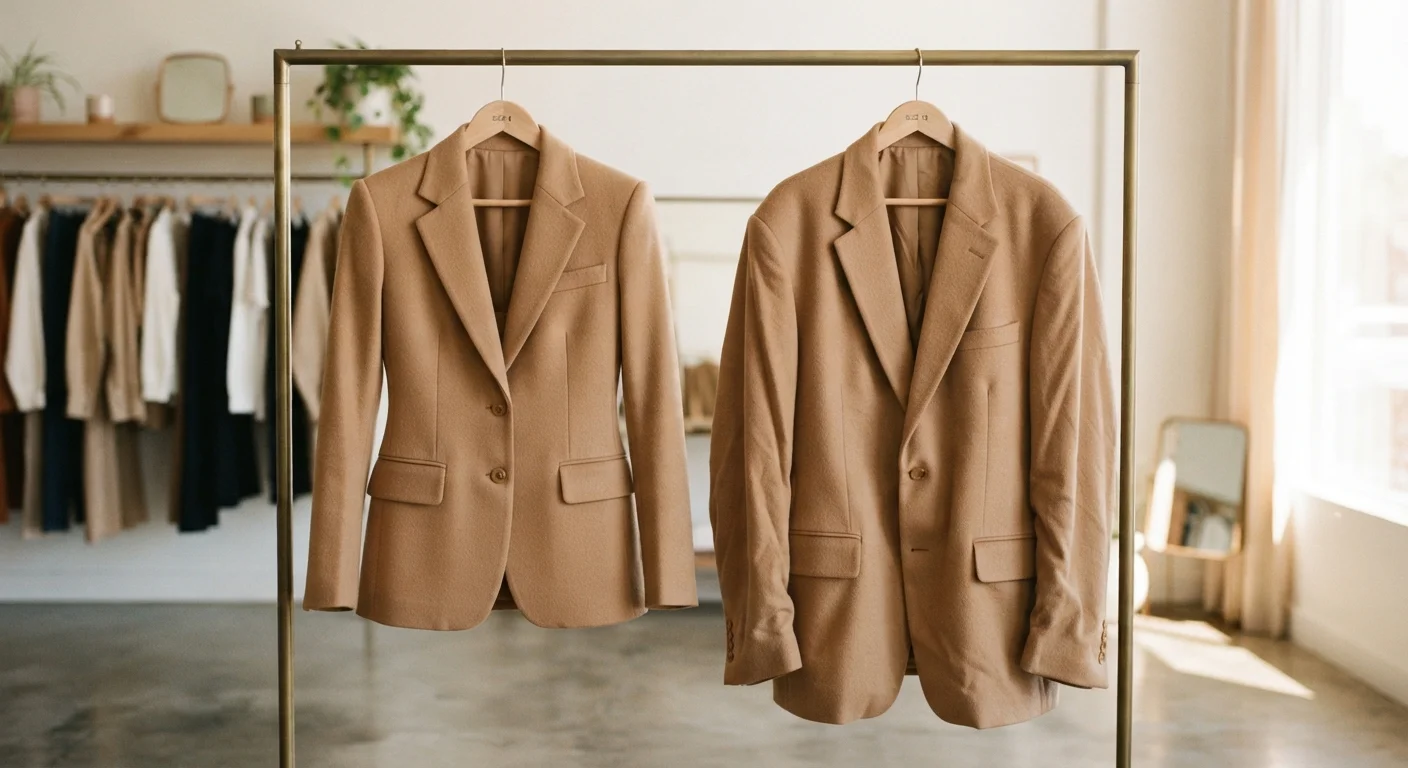
The Number on the Tag Is Not About You
Somewhere along the way, clothing sizes became personal — a number people carry around as a marker of identity rather than what they actually are: a loose manufacturing convention. Sizing labels were never designed with your individual body in mind. They emerged from standardization attempts in the mid-twentieth century that were based on limited and often unrepresentative data, and they've been inconsistently applied ever since.
Today, a size 8 dress from one brand can measure four inches differently in the waist than a size 8 from another. This isn't a flaw so much as a feature of a fragmented industry — but it's worth understanding so you stop letting a tag make decisions for you. The size you wear is simply the size that fits. Nothing more. If you need a different size than yesterday or at a different store, that's the system being inconsistent, not your body.
Style myths worth questioning — including beliefs about what size you "should" be — are worth examining before they quietly shape your shopping habits.
6+ inches
Waist measurement variance across same-size garments
Research by consumer advocates has found that garments labeled the same size can differ by six inches or more in actual measurements across different brands.
~60%
Shoppers who wear multiple sizes across brands
Surveys of American shoppers consistently find that the majority wear at least two different numeric sizes depending on the retailer.
$0–$25
Typical cost of basic hemming alterations
Simple hem alterations at local tailors or dry cleaners are often among the most affordable ways to dramatically improve garment fit.
What Good Fit Actually Looks Like
Knowing fit matters is one thing. Being able to identify it in a dressing room is another. Here are the key checkpoints to run through when you try something on:
- Shoulders: On structured tops, jackets, and dresses, the shoulder seam should land right at the edge of your shoulder bone. If it droops down your arm, the garment is too large in the most unalterable way — shoulder tailoring is expensive and complex.
- Chest and back: No pulling across buttons or across the back when you move. Fabric should lie flat, not strain or create diagonal tension lines.
- Waist: For fitted pieces, it should define your natural waist without digging in. For relaxed pieces, there should be ease without drowning your shape entirely.
- Seat and hips: Pants and skirts shouldn't pull across the seat or gap at the waistband in the back.
- Length: Hem length is the most adjustable fit element — and one of the cheapest alterations to make.
When something checks most of these boxes but fails on length or a side seam, that's usually a fixable problem. When the shoulders are off or the chest pulls, it's typically a pass.
Try Before You Commit — Every Time
Even if you've bought from a brand before, sizing can shift between seasons and manufacturing runs. If you're shopping in person, always try the item on. If you're shopping online, measure yourself with a soft tape measure and compare directly to the brand's size chart — not your usual number.
Why Fit Flatters More Than Trend or Price
A $40 blouse that fits well will almost always look more polished than a $200 blouse that doesn't. This is one of the most underrated truths in everyday style — and it means that chasing price points or trends without attending to fit is counterproductive. Fit creates the visual impression of intentionality, of clothes chosen specifically for you.
This also means that wardrobe frustration is often a fit problem disguised as a quantity problem. When clothes don't feel right on the body, people tend to add more options looking for that elusive "good" feeling — when the real fix is editing to pieces that actually fit and discarding ones that don't.
For a fuller picture of how fit connects to everyday dressing habits, our complete wardrobe guide walks through fit alongside color, fabric, and seasonal choices.
Dressing the Body You Have, Right Now
One of the most common wardrobe traps is holding on to clothes in a size that fits a past or hoped-for version of yourself. These pieces rarely get worn, take up space, and quietly add friction to every morning. Dressing the body you have today — with clothes that genuinely fit that body — is both a practical and a quietly confidence-building choice.
This isn't about accepting stagnation or abandoning personal goals. It's about recognizing that you deserve to look and feel good in what you're wearing today, not in six months. Dressing for your actual life, not an imagined one, is the foundation of a wardrobe that actually gets used.
Bodies Change — And That's Normal
Bodies shift due to age, activity, health, and dozens of other factors. This is not a problem to solve — it's just reality. Checking fit periodically and refreshing key wardrobe pieces as needed keeps your closet functional without requiring a complete overhaul. A few well-fitted pieces will always outperform a closet full of things that almost fit.
When you stop organizing your wardrobe around a size and start organizing it around fit, getting dressed becomes noticeably easier — and your clothes start working a lot harder.
Frequently Asked Questions
Brands use their own proprietary size charts, and there is no universal standard enforced across the industry. A size 10 at one retailer may match a size 8 or 12 elsewhere. Always try items on or check a brand's specific measurements rather than relying on your usual number.
The shoulder seam is the most critical — it should sit at the edge of your actual shoulder, not drooping onto your arm. After that, check the chest (no pulling across buttons), the back (no bunching), and the sleeve length.
It depends on the item and the cost of the alteration. Simple hemming or taking in a side seam is often affordable and can dramatically improve how a piece looks. More complex work may cost more than the garment is worth, so weigh accordingly.
Use the brand's actual measurement chart — bust, waist, hip, and inseam — rather than the size label. Read customer reviews that mention fit, and check the return policy before buying. Measuring yourself with a soft tape measure takes about two minutes and saves a lot of frustration.
Yes — perhaps even more so, because casual pieces are worn most often. A well-fitted everyday outfit feels intentional and put-together without extra effort. Baggy basics that don't fit can make even a relaxed look feel unkempt.
The content on this site is for informational purposes only and is not a substitute for professional advice. Always consult a qualified professional for guidance specific to your situation.