

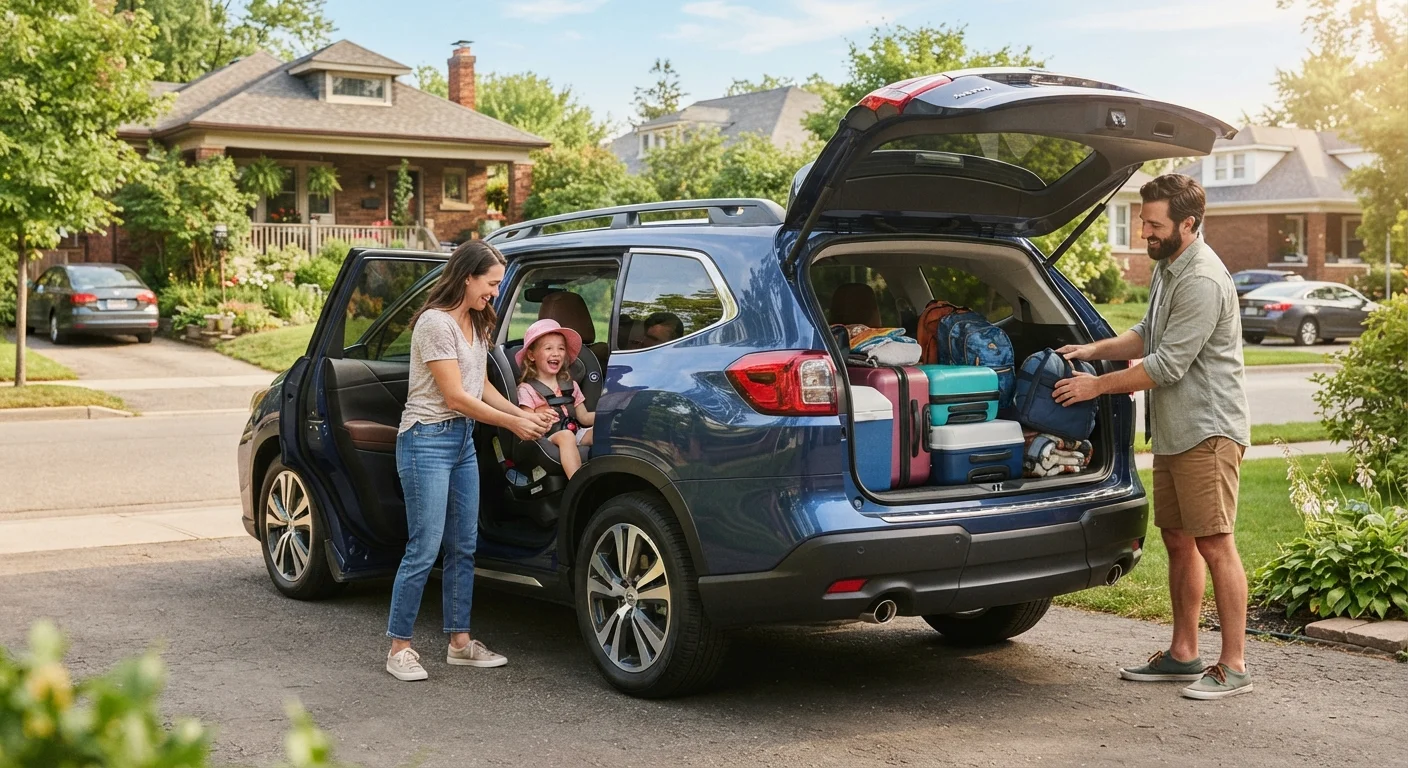
Why Family Road Trips Require a Different Playbook
A solo driver or couple can push 500 miles in a day without much strain. Add two young children, and that same distance can stretch into an exhausting, stop-heavy ordeal - or a genuinely enjoyable adventure, depending almost entirely on preparation. Family road trips aren't just adult trips with kids along for the ride; they require rethinking your schedule, your packing, your route, and your expectations.
If you're new to planning longer drives, our first-timer's road trip guide covers the foundational logistics. This article builds on that with the specific adjustments families with children need to make - starting with safety, which is non-negotiable.
Car Seat Safety: Verify Before You Drive
Car seats are only effective when correctly installed and properly fitted for the child's age, weight, and height. The NHTSA estimates that a large proportion of car seats are used incorrectly in some way - a sobering figure given the stakes. Before a long trip, treat seat installation as a task worth double-checking, not assuming.
Confirm car seat installation with a certified technician before long trips.
Even parents who have used a car seat for months may have installation errors they aren't aware of. A professional inspection catches harness height issues, angle problems, and improper locking that can compromise safety in a crash.
Keep children in rear-facing seats until they exceed the seat's maximum height or weight limit.
Rear-facing seats distribute crash forces across the child's entire back, head, and neck - the most protective orientation available. Many parents transition children forward-facing too early based on age rather than the seat's actual limits.
Plan rest stops every 90-120 minutes regardless of whether children are visibly restless.
Proactive stops prevent the escalating discomfort that leads to meltdowns and driver distraction. They also reduce the physical strain of sitting for young children, and give the driver a genuine mental reset.
Time departures around children's natural sleep windows.
A sleeping child is the easiest kind to travel with. Aligning departure with nap time or bedtime gives you a quiet window of driving and reduces the total hours of active management needed.
Pack a dedicated in-cabin bag for everything children need during the drive.
Pulling over to access a trunk for snacks, toys, or clothing is disruptive and sometimes unsafe. An organized in-cabin bag keeps essentials available without stopping.
Set conservative daily mileage targets and build buffer time into your itinerary.
Overambitious mileage plans create pressure that makes every stop feel like a setback. Conservative targets mean unexpected delays don't derail the trip, and the family arrives without exhaustion.
Many fire stations, hospitals, and community safety programs offer free car seat inspection events staffed by certified technicians. A quick search on the NHTSA website can help you locate a certified Child Passenger Safety Technician near you. This is especially important after switching to a new seat size or style.
Scheduling: Realistic Mileage and Strategic Departure Times
With children under 10, a reasonable planning target is 250-350 miles per driving day - roughly half what a solo driver might cover. Build in rest stops every 90 to 120 minutes. These aren't wasted time; they're the mechanism that keeps everyone functional and the driver alert.
Departure timing is one of the highest-leverage decisions you'll make. Leaving shortly before a child's regular nap time - or very early in the morning - means you pick up an hour or two of peaceful driving before restlessness sets in. Many families with infants and toddlers swear by overnight departures, though this requires the non-driving adult to stay awake and alert to support the driver. For longer multi-state routes, see how other families approach crossing-day planning and overnight timing.
Overnight Driving With Kids: A Tradeoff
Departing late at night or very early in the morning can net you hours of peaceful driving while children sleep, but it places real demands on the driver. If you travel overnight, the non-driving adult should remain awake to support alertness and share navigation duties. Never drive drowsy - if fatigue sets in, stop and rest regardless of schedule pressure.
Keeping Kids Comfortable and Entertained
Boredom and hunger are the two fastest routes to backseat chaos. A little preparation in both departments pays significant dividends. Snacks should be easy to eat without making a mess - cut fruit, crackers, or cheese sticks work better than crumbly or sticky options. Keep a dedicated snack bag within reach of the adults so you're not pulling over to rummage through luggage.
For entertainment, a mix of screen-based and screen-free activities tends to work better than relying entirely on tablets. Audiobooks, podcasts designed for kids, and simple car games keep brains engaged without eye strain. Rotate activities every hour or so rather than burning through everything in the first two hours. Smart car packing strategy also matters here - items children need during the drive should never be buried in a trunk under heavier luggage.
Rotate Entertainment - Don't Front-Load It
It's tempting to hand over a tablet the moment the car starts moving, but saving screen time for the hardest stretch - usually mid-afternoon on long days - gives you a reliable reset tool when you need it most. Start the trip with music, car games, or an audiobook, and keep the screen as a second-half option.
Vehicle Readiness and What to Carry
A breakdown is stressful for any driver. With children in the car, it becomes significantly more complicated. Before departure, run through a thorough vehicle check - tires, fluids, brakes, and battery condition are the essentials. Our pre-trip vehicle checklist walks through each item methodically.
Beyond standard emergency gear, families should carry a few additional items: a portable battery pack for charging devices, extra changes of clothes for each child accessible without unpacking everything, a basic first-aid kit, and any required medications clearly labeled and within reach. Motion sickness medication, if relevant, should be discussed with a pediatrician before the trip - not administered for the first time on the road. A broader breakdown of what to stock in your car covers emergency and comfort gear in more detail.
46%
Car seats used incorrectly in some way
According to NHTSA data, nearly half of all car seats observed in studies showed some form of misuse, from harness errors to improper installation.
90 min
Recommended maximum stretch between rest stops with children
Child passenger safety experts and pediatric travel guidelines commonly suggest breaks at least every 90 minutes for young children on long drives.
The content on this site is for informational purposes only and is not a substitute for professional advice. Always consult a qualified professional for guidance specific to your situation.