

Why Roofing Myths Are Particularly Costly
Of all the systems in your home, the roof is arguably the most expensive to repair or replace - and the easiest to neglect. Because most homeowners rarely go up there, roofing myths tend to go unchallenged for years. The result is deferred maintenance that compounds quietly until a leak, a failed inspection, or an insurance dispute forces action.
This article separates the most persistent roofing misconceptions from what maintenance professionals and building science actually support. Whether you own a home with a brand-new roof or one that is decades old, understanding these distinctions helps you protect one of your largest investments. For a broader look at how renovation myths can derail home projects generally, see what renovation shows consistently get wrong.
Myth
A new roof doesn't need any maintenance for at least ten years.
Fact
Even new roofs need annual inspections; installation defects, storm damage, and poor ventilation can cause problems within the first year.
Manufacturer warranties on roofing materials often run 25-50 years, which can create a false sense of security. Those warranties typically cover material defects, not installation errors or damage caused by neglect. Inadequate attic ventilation - one of the most common installation oversights - can cause shingles to blister and curl within a few years. A licensed inspector can catch these issues while they are still inexpensive to correct.
Myth
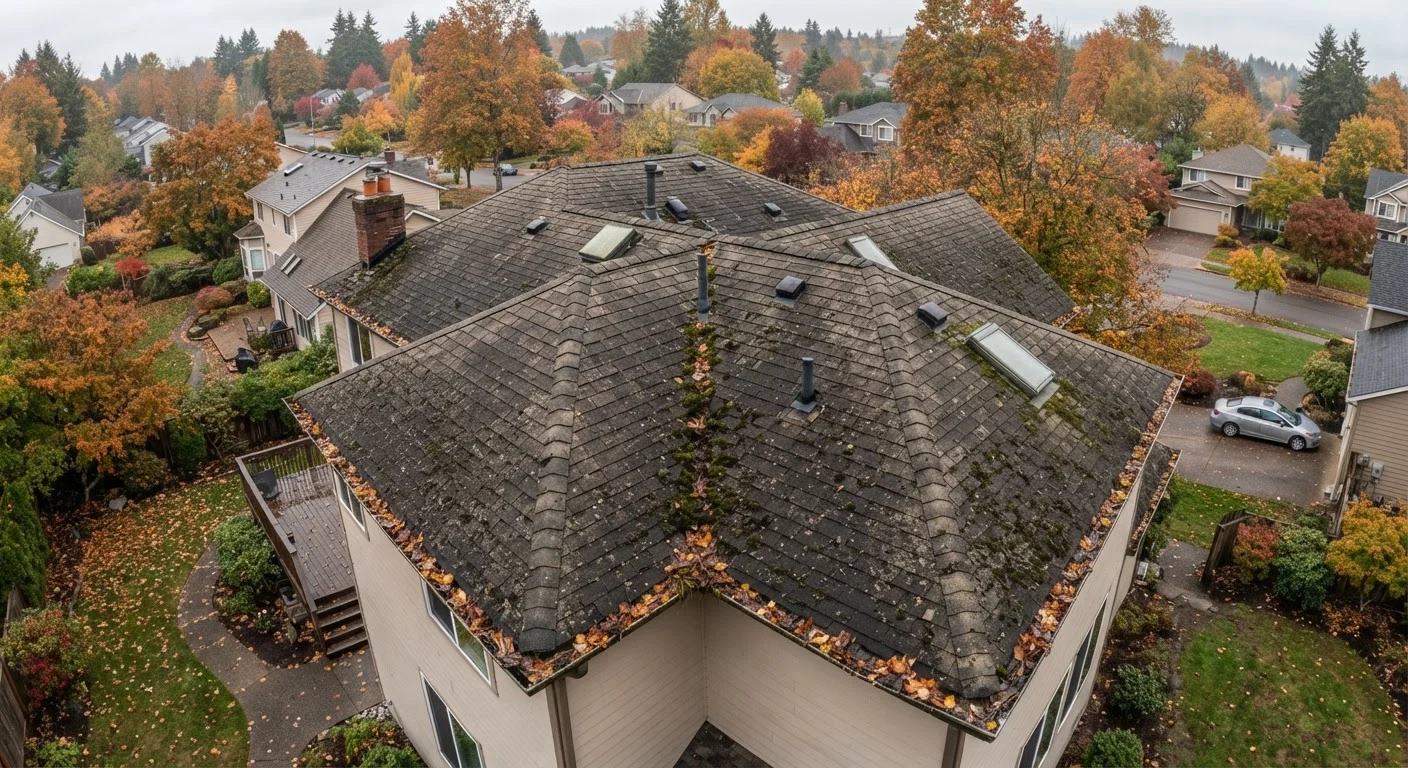
Moss on the roof is just an aesthetic problem - it won't cause real damage.
Fact
Moss retains moisture against roofing materials, accelerating shingle degradation and potentially causing wood rot in the underlying deck.
Moss rhizoids (root-like structures) physically lift shingle edges, allowing water to penetrate beneath them. Over time, trapped moisture promotes rot in the wood decking below. Algae, while less structurally aggressive, leaves dark streaks that absorb heat and shorten shingle life. Zinc or copper strips installed near the ridge line can inhibit regrowth after a professional cleaning. This is not a cosmetic issue - it is a moisture management issue.
Myth
You can just layer new shingles over old ones to save money.
Fact
Re-roofing over existing shingles can hide damage, add excessive weight, and most building codes limit this practice to a single overlay.
Many jurisdictions permit only one layer of shingles over the original installation. Beyond the code issue, layering traps heat, which can accelerate the degradation of both old and new shingles. More critically, it prevents the inspector - and the installer - from examining the roof deck for rot, mold, or structural weakness. Addressing deck damage after a second layer has been applied typically costs significantly more than a full tear-off would have in the first place.
Myth
If there's no visible leak inside the house, the roof is fine.
Fact
Water infiltration can travel along rafters and accumulate in insulation or wall cavities for months before appearing as a visible indoor leak.
By the time a water stain appears on your ceiling, moisture may have already saturated insulation, begun promoting mold growth, or weakened structural framing. Exterior signs - cracked flashing, curled shingles, granule buildup in gutters, or soft spots when walking the roof - often precede interior symptoms by a full season or more. Proactive exterior inspections are far more reliable than waiting for an indoor leak to signal a problem.
Myth
Homeowners insurance will cover any roof damage, regardless of maintenance history.
Fact
Insurers routinely deny claims when damage is attributed to gradual deterioration or lack of maintenance rather than a sudden covered event.
Standard homeowners policies are designed to cover sudden, accidental events - a hail storm, a fallen tree limb, wind damage from a named storm. They generally exclude damage resulting from wear, neglect, or deferred maintenance. If an adjuster determines that your roof was already compromised before a storm struck, the claim may be partially or fully denied. Keeping maintenance records and having periodic professional inspections strengthens your position significantly. This principle is similar to misconceptions in other insurance categories - see health insurance myths that cost Americans money for a parallel discussion.
Building a Realistic Roof Maintenance Routine
Correcting these myths is only the first step. A dependable maintenance routine translates that knowledge into action. Roofing professionals generally recommend two inspections per year - one in spring after winter stress, and one in late fall before freezing temperatures return. Each inspection should cover shingle condition, flashing integrity around chimneys and vents, gutter flow, and any signs of moss or algae.
40%
Lifespan reduction from poor ventilation
Roofing industry estimates suggest inadequate attic ventilation can reduce asphalt shingle lifespan by up to 40% compared to properly ventilated systems.
2x/year
Recommended professional inspection frequency
Most roofing professionals and home maintenance guides recommend inspecting residential roofs twice annually - spring and fall - to catch seasonal damage early.
Gutters are closely linked to roof health. Clogged gutters force water back under the lowest course of shingles and accelerate soffit and fascia rot. For a detailed look at what is actually at stake, read why gutters matter more than most homeowners think.
Do Not Attempt Roof Work Without Proper Safety Equipment
Falls from roofs are among the leading causes of fatal home-improvement accidents. Any inspection or repair work above single-story height should use appropriate fall-arrest equipment or, better still, be performed by a licensed roofing contractor. Work involving structural decking, electrical penetrations, or chimney flashing typically requires permits and must meet local building codes. Always verify requirements with your local building department before beginning any roofing project.
Finally, document your maintenance. Keep a simple log of inspection dates, any repairs made, and contractor invoices. This record is valuable when filing an insurance claim and helps you track whether repair frequency is increasing - a reliable signal that a full replacement may be approaching.
This article is for general informational purposes only and does not constitute professional roofing, structural, or legal advice. Always consult a licensed roofing contractor for an assessment specific to your home and local building codes.
The content on this site is for informational purposes only and is not a substitute for professional advice. Always consult a qualified professional for guidance specific to your situation.