

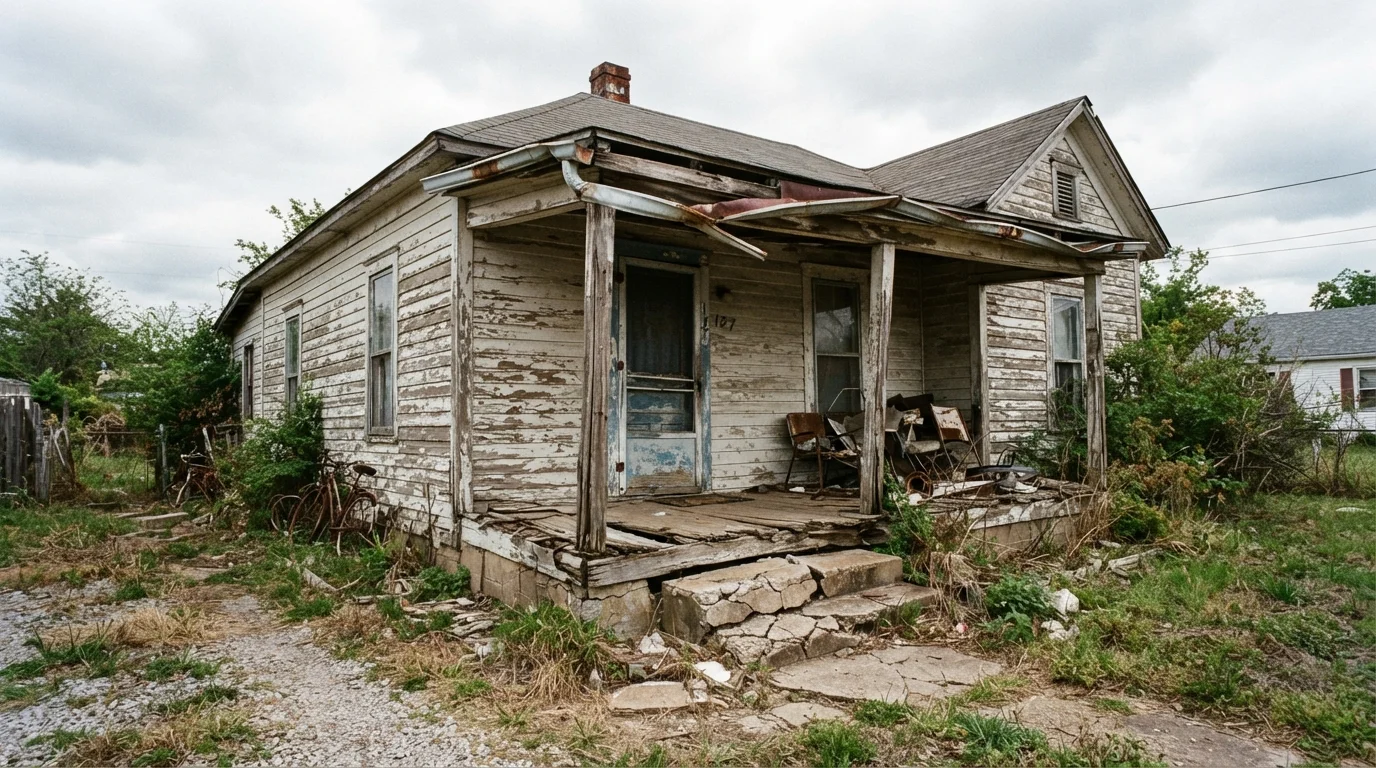
Why Deferred Maintenance Costs More Than the Original Repair
The core problem with deferred maintenance is not laziness - it is compounding. A $15 tube of caulk applied around a window today prevents moisture from migrating into the surrounding framing. Leave that gap for two winters, and you may be looking at rotted wood, mold remediation, and interior water staining that collectively cost several thousand dollars to fix. The repair needed did not grow arbitrarily; it grew because building materials deteriorate continuously once a protective barrier fails.
This compounding pattern appears across nearly every home system. A slow roof leak damages insulation before it ever shows a water stain on the ceiling. A neglected HVAC filter strains the blower motor long before the system fails. A cracked driveway allows water to undermine the base layer through repeated freeze-thaw cycles. In each case, the original defect was cheap to address. The cascading damage that follows is not.
1%-4%
Of home value recommended annually for maintenance
Industry professionals and housing researchers commonly cite a range of 1-4% of a home's value as a reasonable annual maintenance budget, with older homes trending toward the higher end.
~40%
Of home insurance claims linked to water damage
Water damage and freezing consistently rank among the most frequent homeowners insurance claims categories, according to industry loss data - the majority of which originate from preventable maintenance failures.
10×
Cost multiplier when small repairs are deferred
Building professionals commonly observe that minor repairs left unaddressed for several years can cost ten times more to fix once secondary damage is included - a figure that reflects real repair invoices rather than a guaranteed outcome.
Understanding this mechanism matters because it reframes the decision. Postponing a repair is not neutral - it is a choice to accept a larger, uncertain future cost in exchange for a smaller, known present one. For most routine maintenance items, that trade-off is unfavorable.
The Systems Most Vulnerable to Neglect
Roof and gutters. Your roof is the first line of defense against water intrusion. Damaged shingles, failed flashing around chimneys or skylights, and clogged gutters that overflow against the fascia are among the fastest-compounding maintenance failures. Water that enters the attic damages insulation, promotes mold growth, and eventually compromises structural sheathing. Gutter cleaning twice a year and an annual visual roof inspection are low-cost interventions with high protective value.
Plumbing and moisture barriers. Slow leaks under sinks, around toilet bases, and beneath water heaters often go undetected for months. By the time visible damage appears, subfloor materials may already be compromised. If you have a storage water heater, annual flushing and anode rod inspection extend its functional life considerably. Our article on water heater maintenance differences explains how upkeep requirements vary by heater type.
Exterior envelope. Caulk, weatherstripping, and paint serve as moisture and air barriers. When they fail, water infiltrates walls, energy efficiency drops, and pest entry points open. Repainting or recaulking exterior joints every few years is dramatically cheaper than replacing rotted siding or addressing a pest infestation.
Schedule Maintenance Like an Appointment
Set recurring calendar reminders for high-priority tasks: gutter cleaning in late fall, HVAC filter changes every 1-3 months, and a full exterior walkthrough each spring. Treating these as fixed appointments - not optional to-dos - is the single most effective habit for keeping minor issues from becoming major expenses.
HVAC systems. Filter changes, coil cleaning, and annual professional tune-ups preserve system efficiency and lifespan. Neglected systems run hotter, consume more energy, and fail earlier - often during peak summer or winter demand when service calls are most expensive.
Breaking the Deferral Cycle
The most reliable way to avoid deferred maintenance is a structured inspection routine. Walking your home's exterior each spring and fall - checking the roof from the ground with binoculars, clearing gutters, testing smoke and carbon monoxide detectors, and inspecting caulk around windows and doors - takes a few hours and catches most issues while they are still minor.
A written maintenance calendar takes this further. Our annual home maintenance calendar provides a month-by-month breakdown of what to inspect and service each season, which helps prevent the "I'll get to it" pattern from taking hold.
On the financial side, the same gradual erosion that deferred maintenance causes to your home mirrors patterns seen in personal finances. Just as small, ignored fees or habits can quietly damage long-term financial health - a dynamic explored in our article on financial habits that quietly damage credit - small ignored repairs compound into large liabilities. Treating home maintenance as a budget line item rather than an emergency fund draw shifts the mindset from reactive to preventive.
Budgeting guidance for home upkeep falls under broader personal finance frameworks. Our budgeting basics hub offers practical strategies for building maintenance costs into a household budget before an emergency forces the issue.
Frequently Asked Questions
The impact varies by severity and scope, but significant deferred maintenance can reduce a home's appraised value by thousands of dollars. Appraisers and buyers typically discount properties with visible neglect, and lenders may require repairs before approving a mortgage on such a home.
Roof damage, foundation issues, and water-related failures - including burst pipes and rotted framing - tend to carry the highest repair bills. These problems share a common trait: they worsen quickly once started and are far cheaper to catch early.
Yes. Most homeowners insurance policies exclude damage that results from ongoing neglect or lack of maintenance. If an insurer determines that a problem developed gradually due to deferred upkeep, the claim may be denied or reduced. Documenting regular maintenance helps protect your coverage.
A widely cited general guideline is to budget roughly 1% of the home's purchase price per year for maintenance, though older homes or those in harsh climates may require more. This is general educational information - your actual costs will depend on your home's age, size, condition, and location.
Many routine tasks - caulking windows, cleaning gutters, replacing filters - are appropriate for most homeowners. However, work involving electrical systems, gas lines, structural components, or the roof often requires a licensed professional. See a decision framework in our guide on <a href="/home-living/home-maintenance/diy-vs-hiring-a-pro-where-to-draw-the-line-on-home-repairs">when to DIY versus hire a pro</a>.
The content on this site is for informational purposes only and is not a substitute for professional advice. Always consult a qualified professional for guidance specific to your situation.