

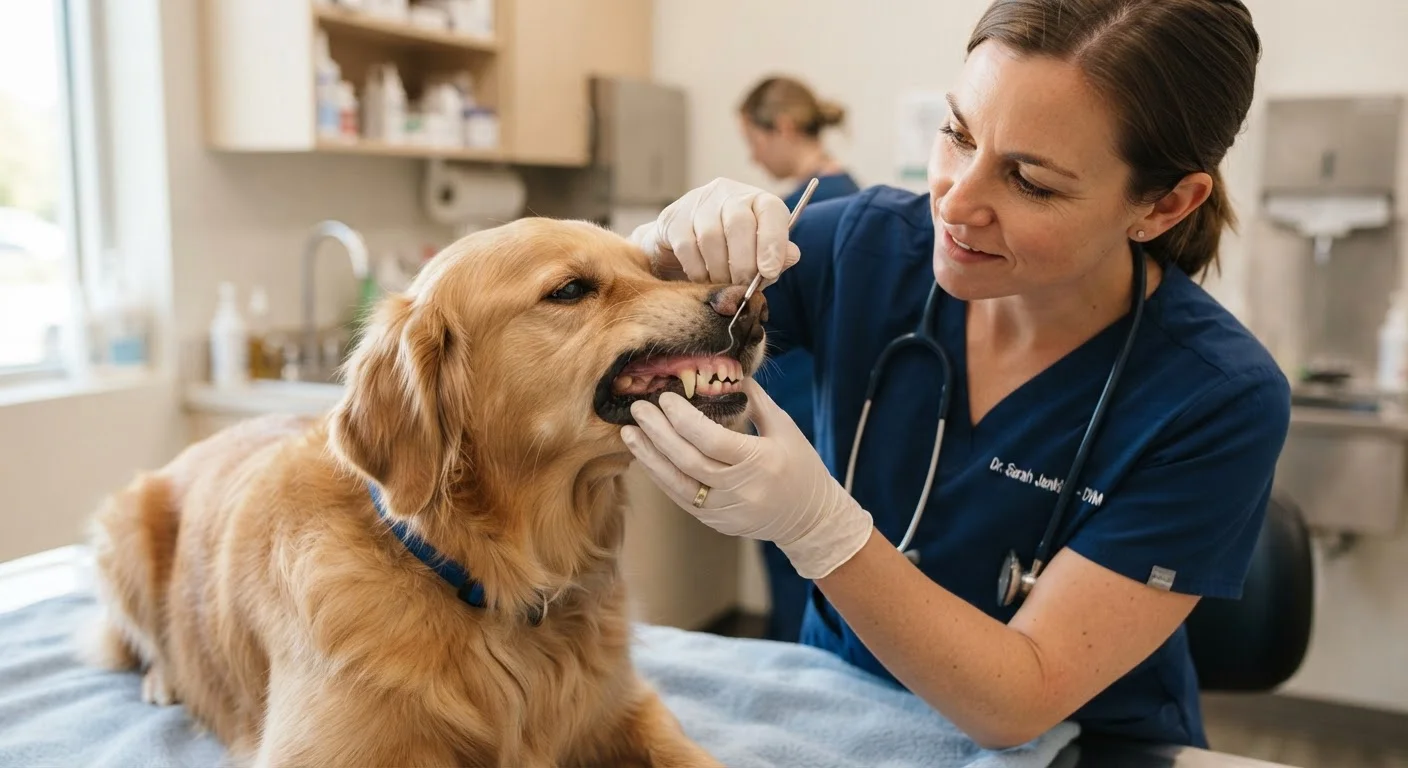
Why Dental Health Is a Whole-Body Issue
It is easy to think of a pet's teeth as separate from their general health — something aesthetic rather than medical. That assumption costs many animals years of comfort and quality of life. Dental disease does not stay in the mouth. The same bacterial communities that form plaque on a tooth's surface can, as disease progresses, enter the bloodstream through inflamed gum tissue and travel to distant organs.
Veterinary research has linked chronic periodontal disease in pets to changes in heart valve tissue, reduced kidney function, and liver stress. None of these connections mean dental neglect will inevitably cause organ failure, but they do illustrate that oral health is a meaningful piece of overall wellness — not a cosmetic concern. As part of any thorough preventive care plan, oral health deserves the same attention as vaccinations or parasite control.
Anesthesia-Free Cleanings Are Not a Substitute
Some grooming and pet retail services offer "anesthesia-free" dental cleanings. While these may remove visible tartar from tooth surfaces, they cannot address disease below the gumline — where periodontal disease actually develops. Veterinary dental organizations, including the American Veterinary Dental College, do not recommend these as a replacement for professional cleanings performed under appropriate anesthesia.
How Disease Develops — and Why Pets Don't Show It
Dental disease begins with plaque — a soft film of bacteria that forms on tooth surfaces after every meal. Within days, minerals in saliva harden plaque into tartar (also called calculus), which cannot be removed by brushing alone. Tartar accumulates at and below the gumline, triggering inflammation called gingivitis. At this stage, disease is still reversible. Left untreated, it progresses into periodontitis: infection of the ligaments and bone that anchor teeth in place.
The critical challenge for pet owners is that animals instinctively suppress signs of pain. In the wild, showing weakness invites danger, so even a pet in significant oral discomfort may continue eating, playing, and behaving normally. By the time an owner notices a pet reluctant to chew or pawing at its face, disease is often already at an advanced grade. This is why dental disease is so frequently overlooked — the animal simply does not telegraph the problem the way a human would.
~80%
Dogs showing dental disease by age 3
The American Veterinary Medical Association estimates that the majority of dogs display some form of periodontal disease by their third year of life.
~70%
Cats with dental disease by age 3
Veterinary dental specialists report a similar prevalence in cats, with conditions including periodontal disease and tooth resorption being especially common.
Grade 1–4
Staging scale for periodontal disease
Veterinary dentistry uses a four-grade system; Grade 1 (gingivitis only) is reversible, while Grade 4 involves severe bone loss and typically requires extractions.
Species Differences Worth Knowing
Dogs and cats share the risk of periodontal disease, but they also have distinct vulnerabilities. Small and toy dog breeds — such as Chihuahuas and Dachshunds — are especially prone to early and severe dental disease because their teeth are crowded into smaller jaws. Cats face an additional condition called tooth resorption, in which the tooth structure erodes from the inside out, causing intense pain that is virtually invisible to the untrained eye.
Rabbits and guinea pigs present a different challenge: their teeth grow continuously throughout life. Misalignment or inadequate hay consumption can cause overgrowth that prevents normal eating. Birds can develop infections around the beak and oral tissue. Owners of any species benefit from understanding these unique risks. A species-by-species comparison of pet wellness needs can help multi-pet households plan appropriately.
Practical Prevention: What Actually Works
Two strategies have the strongest evidence base: professional veterinary dental cleanings and daily at-home tooth brushing. Professional cleanings are performed under general anesthesia and allow the veterinarian to scale below the gumline, take dental X-rays, and extract compromised teeth — work that cannot be safely done on a conscious animal. The frequency your pet needs will depend on breed, age, and existing disease level; your veterinarian is the right person to set that schedule.
At home, brushing with a pet-safe toothpaste (never human toothpaste, which contains ingredients toxic to animals) is the single most effective daily habit. Even a few sessions per week provide measurable benefit compared to no brushing at all. Dental chews, water additives, and specially formulated diets may provide supplemental support, but they work best alongside — not instead of — brushing and professional care. Building these habits early is one of the small daily routines that contribute most to a pet's long-term health.
Starting Tooth Brushing With a Reluctant Pet
Begin by simply touching your pet's lips and muzzle during calm moments, then gradually introduce a finger brush with a small amount of pet-safe toothpaste. Work up to brushing a few teeth at a time before attempting a full session. Keeping sessions short and ending on a positive note — with praise or a brief play session — helps pets build tolerance over time.
This article provides general educational information about pet dental health and is not a substitute for professional veterinary advice. Always consult a licensed veterinarian for guidance specific to your pet's health needs.
Frequently Asked Questions
Common signs include persistent bad breath, yellow or brown buildup on teeth, red or swollen gums, drooling, difficulty chewing, and pawing at the mouth. Because pets mask pain instinctively, many owners notice nothing until disease is advanced. Annual veterinary exams that include an oral inspection are the most reliable way to catch problems early.
Dental care should begin as early as possible — ideally during puppyhood or kittenhood. Starting tooth brushing young helps pets become comfortable with the process. Your veterinarian can advise on when to schedule the first professional cleaning based on your pet's breed, size, and individual risk factors.
Mild breath odor can occur, but persistent or strong bad breath is generally a sign of bacterial buildup, gum infection, or tooth decay — not a natural trait. It warrants a veterinary evaluation rather than masking with treats or sprays.
Yes. Research suggests that oral bacteria associated with periodontal disease can enter the bloodstream and contribute to changes in the heart, kidneys, and liver over time. This is one reason veterinary organizations consider dental health a component of whole-body wellness.
Yes. Cats are highly susceptible to periodontal disease and a painful condition called feline tooth resorption, where the tooth structure breaks down from within. Because cats are especially skilled at hiding discomfort, regular veterinary oral exams are particularly important for them.
A professional cleaning is performed under general anesthesia so the veterinarian can safely examine all tooth surfaces, probe the gumline, take dental X-rays, remove tartar above and below the gumline, and extract any teeth that are non-salvageable. Anesthesia is necessary because a thorough oral exam cannot be safely or accurately done on an awake animal.
The content on this site is for informational purposes only and is not a substitute for professional advice. Always consult a qualified professional for guidance specific to your situation.