

Why the Coat Is a Window Into Whole-Body Health
Skin and coat are among the largest organ systems in most mammals — and they're among the first to reflect what's happening internally. When a pet's body is under stress, whether from nutritional shortfalls, hormonal disruption, infection, or chronic disease, the coat often shows it before other symptoms appear.
This makes regular coat observation a genuinely useful habit. You don't need to be a veterinarian to notice when a dog's fur has gone from glossy to lackluster, or when a cat is losing fur along her flanks. The goal is to recognize what's normal for your individual pet so that deviations stand out clearly. As part of daily care routines that support longevity, coat checks are simple and high-value.
~60%
Of skin conditions diagnosed in dogs involve the coat
Dermatological issues — many of which affect coat quality — are among the most common reasons dogs visit veterinarians, according to veterinary industry surveys.
3–6 weeks
Time for dietary changes to reflect in coat quality
Veterinary nutritionists generally note that meaningful coat improvements from diet changes take several weeks to become visible, as new hair growth cycles must occur.
Over 50%
Of pet birds showing feather abnormalities have nutritional causes
Avian veterinary research consistently identifies nutrition as a leading contributor to feather quality problems, alongside infectious and behavioral causes.
Common Coat Changes and What They Can Signal
Not every change means something serious, but patterns matter. Here's how to interpret the most common coat signals:
- Dull, dry, or brittle fur: Often linked to nutritional deficiencies — particularly inadequate dietary fat, protein, or omega fatty acids. Can also reflect dehydration or conditions affecting nutrient absorption, like intestinal disease.
- Excessive shedding or bald patches: May indicate allergies (environmental or food-based), external parasites such as fleas or mites, or hormonal disorders like hypothyroidism or Cushing's disease.
- Greasy or oily coat with odor: Frequently associated with seborrhea, a skin condition that can be primary (genetic) or secondary to another illness. An unusual smell alone can sometimes indicate a bacterial or yeast skin infection.
- Rough, coarse texture: In younger animals, this can reflect poor diet; in older pets, it may be age-related or signal thyroid dysfunction. See our guide on senior pet care changes for more context.
- Dandruff or flaky skin: Can stem from low humidity, over-bathing, nutritional gaps, or underlying skin disease.
Make Grooming Your Health Check Routine
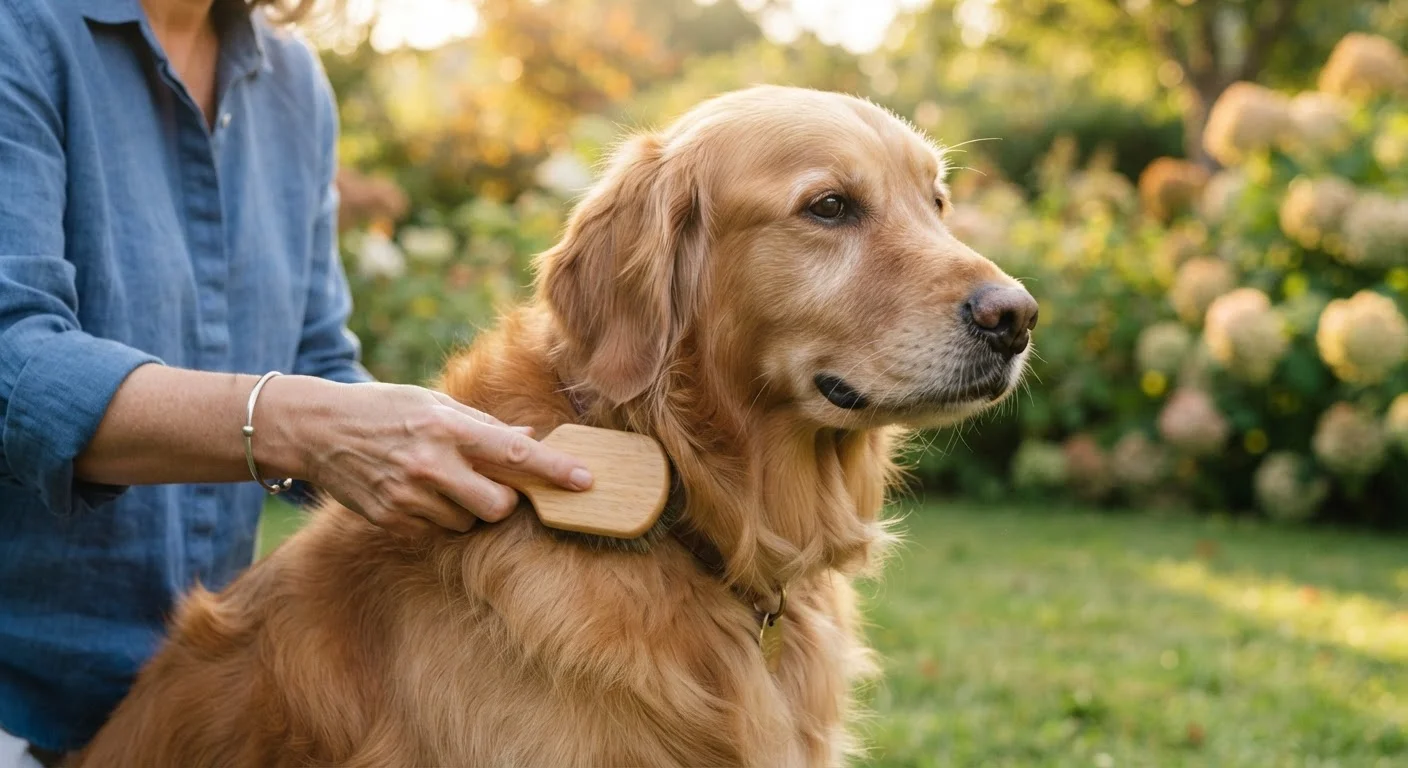
Set aside a few minutes each week to brush your pet and run your hands through their coat. Feel for lumps, tender spots, dry patches, or unusual texture. This tactile check-in is one of the most effective early-detection habits an owner can build, and it strengthens your bond at the same time.
Coat Health Across Species: Dogs, Cats, and Birds
Different animals express health through their coats in distinct ways. Dogs with double coats may develop a softer, thinner undercoat when unwell, while shorthaired cats may show increased greasiness or unkempt appearance. Cats are fastidious groomers by nature — a cat with a matted or disheveled coat is often one that is in pain, overweight, or feeling unwell.
Birds communicate health through feather condition as strongly as mammals do through fur. Dull coloring, broken shafts, feather-plucking (called feather destructive behavior), or abnormal molting are all reasons for an avian vet visit. For a broader look at species-specific wellness signals, the pet wellness comparison across species is a useful reference.
When to Act — and What to Tell Your Vet
A one-time lackluster coat day isn't cause for alarm. Sustained or worsening changes — especially those accompanied by other symptoms like weight loss, increased thirst, lethargy, or changes in appetite — warrant a veterinary visit. Because pets instinctively hide illness, coat changes are sometimes the earliest visible clue owners have.
When you contact your vet, note when the change began, whether it's localized or widespread, any recent diet or environment changes, and whether your pet has been scratching or over-grooming. That context helps your vet narrow down causes efficiently. You might also consider checking your pet's body condition score at the same time — weight and coat changes often overlap as signals of systemic issues.
“The skin and coat are a mirror of a pet's internal environment. Changes in coat quality are often the body's way of prioritizing resources — when something is wrong internally, the coat is one of the first places to show it.”
— Board-Certified Veterinary Dermatologist, Specialist in companion animal dermatology and coat health
This article is for general informational purposes only and is not a substitute for professional veterinary advice. Always consult a licensed veterinarian for concerns about your pet's health.
Frequently Asked Questions
A dull coat often points to inadequate nutrition, dehydration, or an underlying health condition such as hypothyroidism or kidney disease. It can also result from infrequent grooming. If the change is sudden or persistent, a veterinary check is warranted.
Seasonal shedding is normal, but excessive or patchy hair loss can signal stress, allergies, parasites, or hormonal disorders like Cushing's disease. If shedding is accompanied by skin irritation, bald spots, or behavioral changes, consult your veterinarian.
Yes — omega-3 and omega-6 fatty acids, adequate protein, and key vitamins like biotin and vitamin E all support coat health. Feeding a complete, balanced diet formulated for your pet's species and life stage is the foundation. Talk to your vet before adding supplements.
Senior pets often develop coarser, thinner, or grayer coats as part of normal aging. However, significant changes in coat texture or density should still be assessed by a vet, as they can reflect thyroid issues, organ decline, or other conditions common in older animals.
Yes. Dull, broken, or over-preened feathers — or feather plucking — can indicate nutritional deficiencies, infections, or psychological stress in birds. Healthy feathers should be smooth, vibrant, and well-structured. A avian veterinarian can evaluate feather abnormalities accurately.
The content on this site is for informational purposes only and is not a substitute for professional advice. Always consult a qualified professional for guidance specific to your situation.