

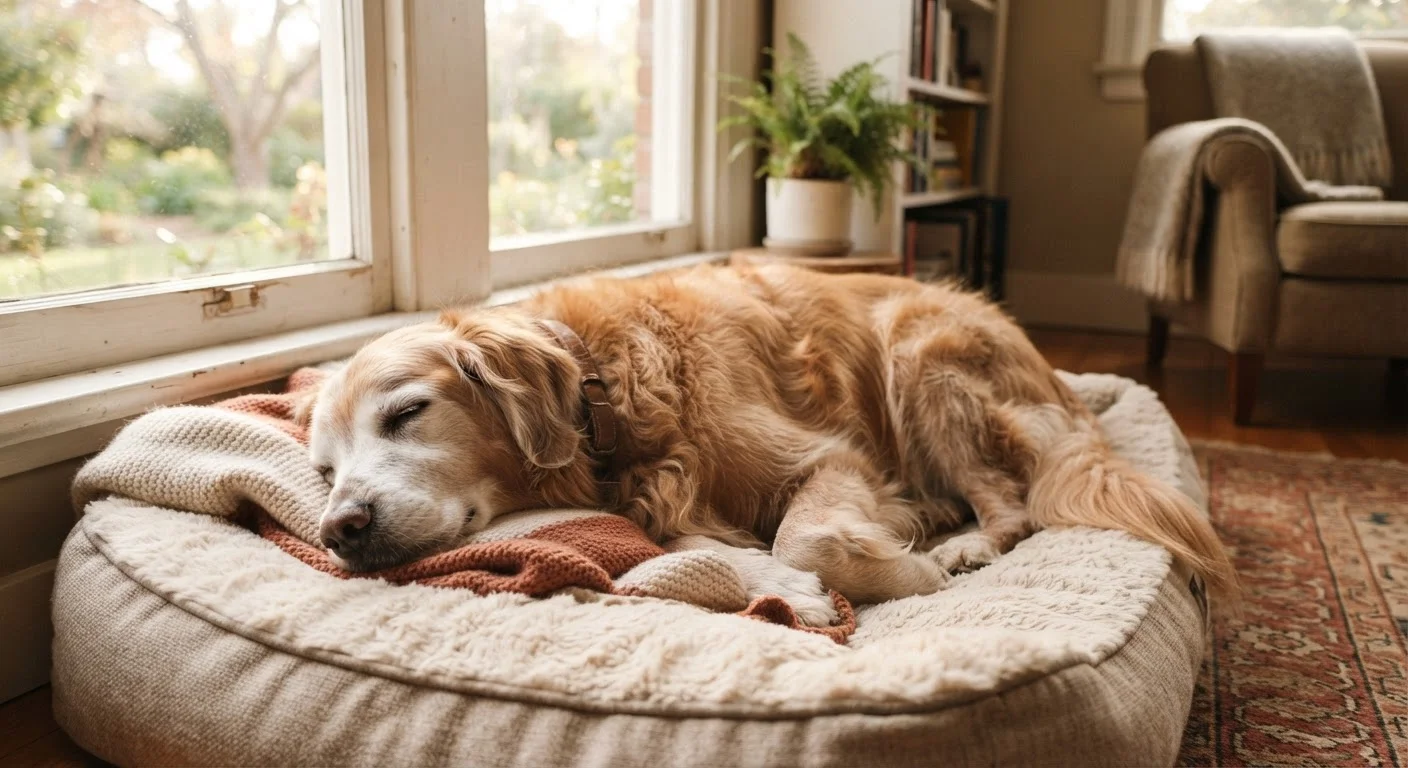
Why Age Seven Is a Turning Point
The age-seven threshold is a widely used benchmark in veterinary medicine, but it is not a rigid rule. Large-breed dogs may enter their senior phase closer to age five or six, while small breeds and cats often remain in middle age until seven or eight. What matters is recognizing that your pet's physiology begins shifting — metabolic rate, organ function, immune response, and joint health all change with age.
Veterinarians use the senior label primarily as a cue to increase monitoring frequency and adjust preventive care. If you are unsure when your specific pet crosses this threshold, your vet is the best resource. For a broader look at how wellness needs differ across species, see this species-by-species wellness overview.
What you will need
What to Watch For: Key Health Changes
Senior pets develop a predictable set of health concerns. Knowing what to look for allows you to act before a condition becomes severe.
- Arthritis and joint stiffness: Slowing down, reluctance to climb stairs, or difficulty rising from rest are common early signs. This is one of the most underdiagnosed conditions in older dogs and cats.
- Kidney and liver function changes: Increased thirst, changes in urination patterns, or unexplained weight loss may indicate organ stress. Bloodwork is the most reliable way to catch these early.
- Dental disease: Periodontal disease accelerates with age and can affect heart, kidney, and liver health if untreated. Bad breath and difficulty chewing are visible cues.
- Cognitive dysfunction: Disorientation, altered sleep patterns, reduced interaction, or seeming "lost" in familiar spaces can indicate cognitive decline — the animal equivalent of dementia.
- Weight shifts: Both unexplained gain and loss are meaningful. Obesity worsens joint problems; unintended loss can signal underlying disease.
Coat and skin changes are also informative. A dull or flaky coat in an older pet often reflects nutritional gaps or internal health shifts — learn what your pet's coat can indicate about their health.
Do Not Attribute All Changes to 'Normal Aging'
One of the most common mistakes senior pet owners make is assuming slowdowns, weight changes, or behavioral shifts are inevitable and untreatable. Many conditions common in older pets — arthritis, hyperthyroidism in cats, dental disease — are highly manageable when diagnosed early. If something seems off, contact your veterinarian rather than waiting to see if it resolves on its own.
Adjusting Your Care Routine Step by Step
Caring for a senior pet is not about overhauling everything at once. It means making deliberate, incremental adjustments across nutrition, exercise, environment, and veterinary care.
Schedule a Senior Wellness Baseline Exam
If your pet is approaching or has passed age seven, book a comprehensive wellness exam specifically framed as a senior baseline. Ask your vet to run a full blood panel, urinalysis, and blood pressure check. These results become your comparison point for all future visits.
Transition to a Senior-Appropriate Diet
Many senior pets benefit from diets formulated for their life stage, which typically adjust protein quality, caloric density, and key nutrients like phosphorus (important for kidney health) and joint-supporting compounds. Do not switch foods abruptly — transition gradually over seven to ten days to avoid digestive upset. Your vet can recommend the appropriate dietary direction based on your pet's specific health profile.
Modify Exercise for Joint Health and Energy Levels
Senior pets still need regular physical activity, but intensity and duration may need to decrease. Shorter, more frequent walks are often better for aging joints than one long outing. Swimming or gentle play on soft surfaces can maintain muscle mass without impact stress. Watch for limping, stiffness after rest, or reluctance to move as signals to scale back further.
Adapt the Home Environment
Physical comfort becomes more important as pets age. Consider orthopedic bedding for arthritic joints, ramps or steps to help pets reach furniture or vehicles, and non-slip surfaces on hardwood or tile floors. Cats may need litter boxes with lower entry points. Ensure food and water are easily accessible without requiring significant movement.
Monitor Behavior and Cognition Regularly
Cognitive changes in senior pets are easy to miss or dismiss as "just getting old." Make a habit of noting whether your pet is orienting normally, responding to their name, maintaining social interest, and sleeping on a typical schedule. Report any notable shifts to your veterinarian — some causes of cognitive decline are manageable if caught early.
Keep a Simple Senior Pet Health Log
A brief weekly note — weight, appetite, mobility, behavior — takes less than two minutes and builds a valuable record over time. Patterns that are invisible day-to-day often become clear when you review a month of entries. Share this log with your vet at each visit to give them a fuller picture of your pet's day-to-day experience.
Vet Visits and Ongoing Monitoring
The most consistent recommendation from veterinary organizations is to move senior pets from annual to semi-annual wellness exams. Two visits per year allows your vet to catch changes in bloodwork, weight, dental health, and organ function before they become emergencies. For a detailed walkthrough of what these exams cover, see what actually happens during a pet wellness exam.
Between visits, a structured monthly home check is valuable. Tracking weight, coat condition, mobility, appetite, and behavior creates a personal baseline — and makes it easier to notice when something shifts. Our monthly pet care checklist offers a practical framework to keep these checks consistent.
Know the signs that cannot wait for a scheduled appointment. Sudden collapse, labored breathing, inability to urinate, or extreme behavioral changes all require immediate attention. Review which symptoms require an urgent vet visit so you are prepared.
This article is for general informational purposes only and is not a substitute for professional veterinary advice. Always consult a licensed veterinarian for guidance specific to your pet's health needs.
The content on this site is for informational purposes only and is not a substitute for professional advice. Always consult a qualified professional for guidance specific to your situation.