

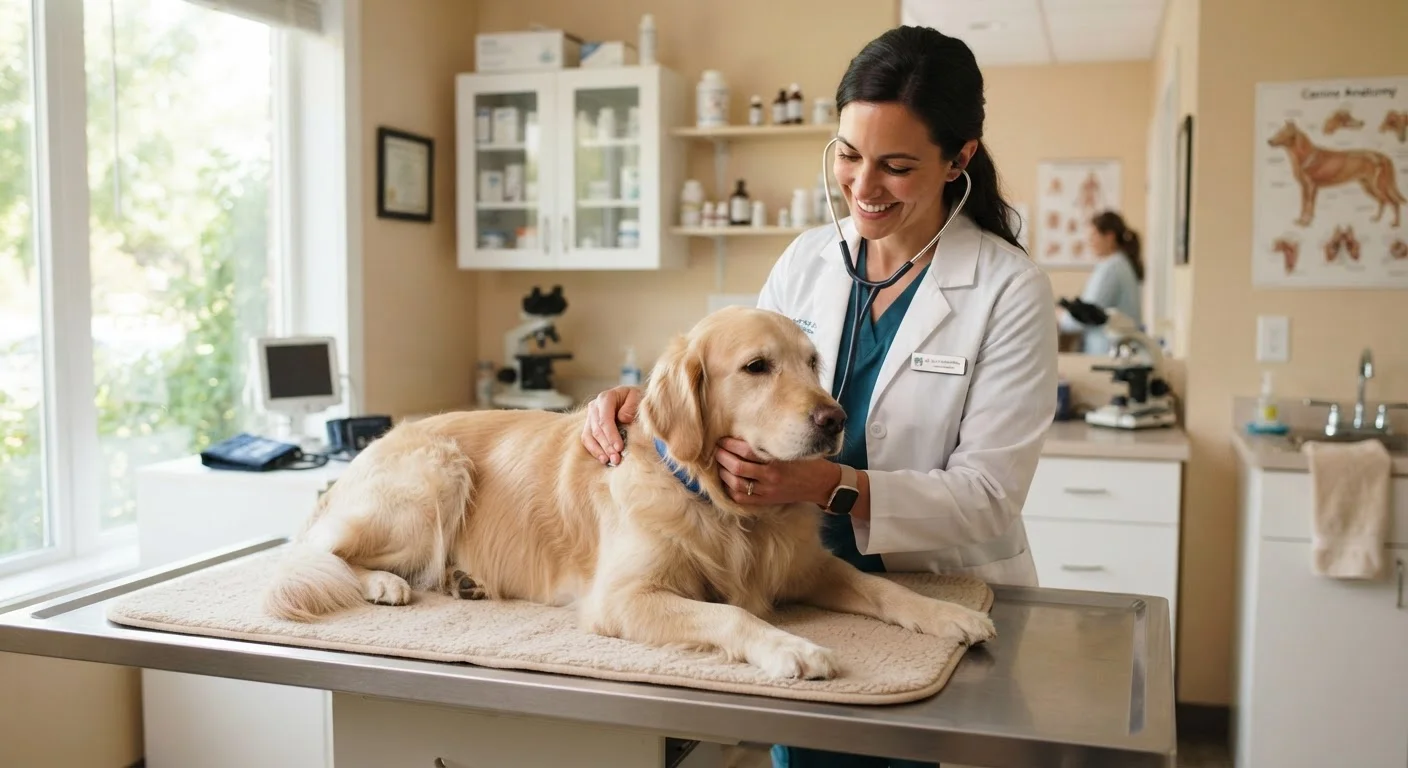
What the Vet Is Actually Checking
When your pet steps into the exam room, the veterinarian begins gathering information almost immediately — observing how your animal moves, holds its posture, and responds to the environment. From there, a structured physical exam covers the major body systems:
- Eyes and ears: Checked for discharge, redness, cloudiness, or signs of infection or parasites like ear mites.
- Mouth and teeth: Dental disease is one of the most common — and most overlooked — health issues in pets. The vet will look for tartar buildup, gum inflammation, loose teeth, and oral masses.
- Heart and lungs: Using a stethoscope, the vet listens for irregular rhythms, murmurs, or abnormal breathing sounds that could suggest cardiac or respiratory conditions.
- Abdomen: Gentle palpation helps identify organ size and consistency. An unusually enlarged spleen, lumpy intestinal tract, or tense belly can all be early indicators of internal issues.
- Skin and coat: The vet examines for parasites, hot spots, unusual lumps, or skin conditions that may not be visible through fur.
- Weight and body condition: Body condition scoring goes beyond the number on the scale — it assesses fat distribution and muscle mass, both key indicators of nutritional health.
- Lymph nodes and joints: Swollen lymph nodes may indicate infection or immune activity; joint stiffness can point to early arthritis.
This systematic approach means the vet is building a comprehensive picture of your pet's health, not just checking a single concern. For a broader look at how preventive care fits together, see our complete overview of preventive pet care.
Prepare a Short History Before the Visit
Before your appointment, spend five minutes writing down any behavioral changes, appetite shifts, changes in water intake or litter box habits, or new lumps you've noticed. Even small observations can be diagnostically useful. Vets rely on owner reports for information that a physical exam alone cannot capture.
Beyond the Physical: Diagnostics and Preventive Treatments
Depending on your pet's age, species, and individual history, the vet may recommend diagnostics alongside the exam itself:
- Fecal testing: A stool sample screens for intestinal parasites such as roundworms, hookworms, and giardia — parasites that are often invisible to the naked eye.
- Heartworm testing: For dogs, this blood test is typically recommended annually, especially if your pet is on a prevention protocol.
- Bloodwork and urinalysis: Complete blood counts and chemistry panels help evaluate organ function, detect anemia, and screen for metabolic conditions. These become increasingly important as pets age.
- Vaccinations: Core vaccines — such as rabies and distemper combinations — follow a schedule based on prior immunization records and local regulations. Lifestyle vaccines (for boarding, outdoor exposure, etc.) are discussed individually.
The vet visit is also an appropriate time to discuss parasite prevention products, dental cleanings, and reproductive health. If you have questions about procedures like spaying or neutering, your annual visit is the right moment to raise them — see our article on spaying vs. neutering for background before your appointment.
Exam Schedules Vary by Species
Dogs and cats follow fairly standardized annual exam guidelines, but other species have different needs. Rabbits, birds, reptiles, and small mammals often require exotic-animal specialists and may need more frequent monitoring. If you care for multiple species, see our species-by-species wellness comparison for a practical overview.
Why Frequency and Continuity Matter
One of the least-discussed benefits of the annual exam is the value of longitudinal data — what your vet learns about your pet over multiple years. A single exam captures a snapshot. A series of exams across your pet's lifetime creates a reference point that makes small changes detectable early.
For example, a gradual weight loss of two pounds in a cat may not alarm an owner who sees the animal daily. But a vet comparing this visit's weight to records from the prior two years will notice and investigate the trend.
Frequency recommendations vary by life stage. Puppies and kittens typically follow an accelerated schedule in their first year. Most healthy adults are seen annually. Senior pets — generally dogs and cats over age seven — often benefit from biannual exams because age-related conditions can progress quickly. Learn more about how health needs shift over time in our guide to senior pet care.
Wellness care isn't a one-time event. Supporting it at home between visits matters too — our monthly pet care checklist outlines the observations and tasks that keep you engaged between annual appointments.
70%
Pets with dental disease by age three
The American Veterinary Medical Association notes that periodontal disease is among the most prevalent conditions seen in pets, often identified during routine wellness exams.
2x/year
Recommended vet visits for senior pets
Most veterinary guidelines suggest that pets over seven years of age benefit from biannual wellness exams due to the accelerated pace of age-related health changes.
This article is for general informational purposes only and does not constitute veterinary advice. Always consult a licensed veterinarian for guidance specific to your pet's health needs.
Frequently Asked Questions
Most healthy adult dogs and cats benefit from at least one wellness exam per year. Puppies, kittens, and senior pets — generally those over age seven — are typically seen more frequently because their health can change more rapidly. Your vet will recommend a schedule based on your individual pet's age, species, and health history.
Bring any prior veterinary records if you're visiting a new clinic, a fresh stool sample (often requested for parasite screening), and a list of current medications or supplements. It also helps to note any behavioral changes, shifts in appetite, or new symptoms you've observed at home.
No. A wellness exam is a proactive, preventive appointment for apparently healthy pets. A sick visit focuses on diagnosing and treating a specific concern or symptom. The two serve different purposes and are usually billed separately.
Yes — that's one of the primary goals. Vets can identify early warning signs of conditions like heart disease, kidney changes, dental infection, and lumps during a physical exam, often before the pet shows obvious symptoms. Early detection generally leads to more treatment options.
Absolutely. Many conditions — including early kidney disease, dental disease, and certain tumors — don't produce obvious symptoms until they are well advanced. Regular exams give your vet the opportunity to identify these changes while they are still manageable.
The content on this site is for informational purposes only and is not a substitute for professional advice. Always consult a qualified professional for guidance specific to your situation.