

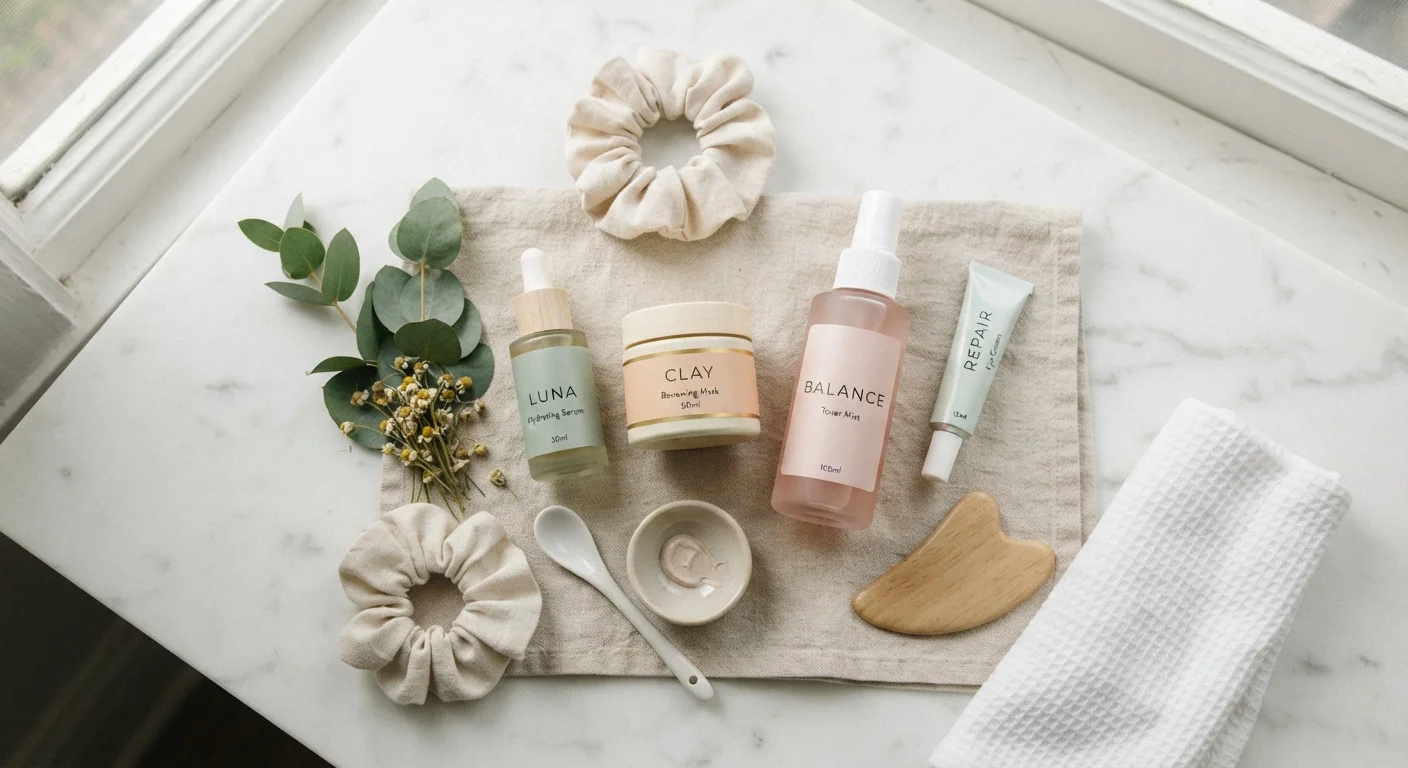
Why Skin Type Is Your Skincare Starting Point
Before you pick a cleanser, reach for a moisturizer, or add a treatment serum, there's one question worth answering first: what kind of skin do you actually have? Skin type isn't a marketing label — it's a practical classification that reflects how much oil (sebum) your skin produces, how it retains moisture, and how it responds to environmental stressors.
Get it right and products work with your skin. Get it wrong and even well-formulated products can leave you breaking out, flaking, or feeling tight. If you've ever wondered why a glowing routine works wonders for a friend but feels uncomfortable on you, skin type is usually the answer. For a deeper look at what the classification really means, see what skin type really means.
| Number of recognized skin types | 5 (oily, dry, combination, sensitive, normal) |
| Most common self-reported type | Combination (Frequently cited in dermatology consumer surveys) |
| Key driver of skin type | Sebum (oil) production levels |
| Can skin type change over time? | Yes — age, hormones, climate, and medications can all shift it |
| Best DIY identification method | The bare-face test: observe skin 60 min after cleansing |
The Five Skin Types at a Glance
Dermatologists generally recognize five skin types. Most people fall primarily into one — though type can shift with age, climate, hormones, or medication.
Oily Skin
A skin type characterized by excess sebum production across most of the face. It often appears shiny, feels slick to the touch, and may be prone to enlarged pores and breakouts.
Dry Skin
A skin type that produces less sebum than average, leading to a compromised moisture barrier. It typically feels tight, may appear dull, and can flake or crack in harsh conditions.
Combination Skin
A skin type that features oiliness in the T-zone (forehead, nose, and chin) alongside dryness or normal behavior on the cheeks. It requires a balanced approach rather than a single-formula fix.
Sensitive Skin
A skin type — or reactivity pattern — that responds easily to ingredients, temperature changes, or environmental triggers with redness, stinging, or itching. It is not a clinical diagnosis but a common self-reported characteristic.
Normal Skin
A well-balanced skin type that produces moderate sebum, maintains good moisture levels, and shows few signs of sensitivity or dryness. It is the least restrictive type in terms of product compatibility.
Sebum
The natural oil produced by sebaceous glands in the skin. Sebum helps lubricate and protect the skin surface, but overproduction or underproduction is what drives most skin type differences.
T-Zone
The forehead, nose, and chin region of the face, shaped like a letter T. This area typically has more sebaceous glands and is often oilier than the cheeks, making it the defining area for combination skin.
One important distinction worth making: skin type describes your skin's baseline, while skin condition (like acne, hyperpigmentation, or dehydration) refers to something that develops and can be treated. Dry skin is a type; a dehydration flare is a condition. Understanding the difference prevents you from over-correcting. For more on supporting your skin's foundational health, see the skin barrier.
~50%
Adults who self-report sensitive skin
Studies across multiple countries suggest roughly half of adults describe their skin as sensitive, though clinical definitions vary.
3–5 types
Skin type classifications used by dermatologists
Most dermatological frameworks recognize between three and five core skin types, depending on the classification system used.
How to Identify Your Skin Type
The simplest self-test requires nothing more than a clean face and about an hour of your time. Wash your face with a gentle cleanser, pat dry, and apply nothing else. After 60 minutes, observe:
- Oily: Skin looks shiny across the forehead, nose, and cheeks. Blotting paper picks up noticeable oil.
- Dry: Skin feels tight, may look dull or flaky, especially around the cheeks and jawline.
- Combination: The T-zone (forehead, nose, chin) is shiny, but cheeks feel normal or slightly dry.
- Sensitive: Skin may appear red, feel itchy or prickly, or show visible flushing even without a product applied.
- Normal: Skin feels comfortable and balanced — not tight, not greasy, no significant redness.
Keep in mind that your skin type can change seasonally. Many people notice drier patches in winter and more oiliness in summer heat. When you're ready to match your type to a routine, building a skincare routine from scratch is a solid next step.
Skin Type vs. Skin Condition: Know the Difference
Skin type is your baseline — largely genetic and relatively stable. Skin conditions like acne, rosacea, or dehydration are separate issues that can affect any skin type. For example, oily skin can still become dehydrated if moisture is stripped by harsh products. Treating conditions without addressing your underlying type often leads to a frustrating cycle of over-correction.
Matching Skin Type to Cleansers and Daily Care
Once you know your type, product selection becomes much more logical. Cleansers are the foundation — the right formula removes impurities without disrupting your skin's natural balance. Generally speaking:
- Oily skin tends to do well with gel or foaming formulas that help manage excess sebum without stripping.
- Dry skin benefits from cream, milk, or balm cleansers that cleanse without pulling moisture from the surface.
- Combination skin often works well with gentle gel or micellar formulas that balance both zones.
- Sensitive skin usually needs fragrance-free, minimal-ingredient formulas — look for simplicity over sophistication.
- Normal skin has the most flexibility and can usually tolerate a wide range of gentle formulas.
For a full breakdown of what sets each cleanser type apart, cleansers decoded covers every format in practical detail. And to keep your routine consistent over time, the weekly skincare checklist is a helpful reference tool.
This article is for general informational and educational purposes only. It does not constitute medical or dermatological advice. If you have concerns about a skin condition, please consult a qualified healthcare professional or licensed dermatologist.
The content on this site is for informational purposes only and is not a substitute for professional advice. Always consult a qualified professional for guidance specific to your situation.