

Our Verdict
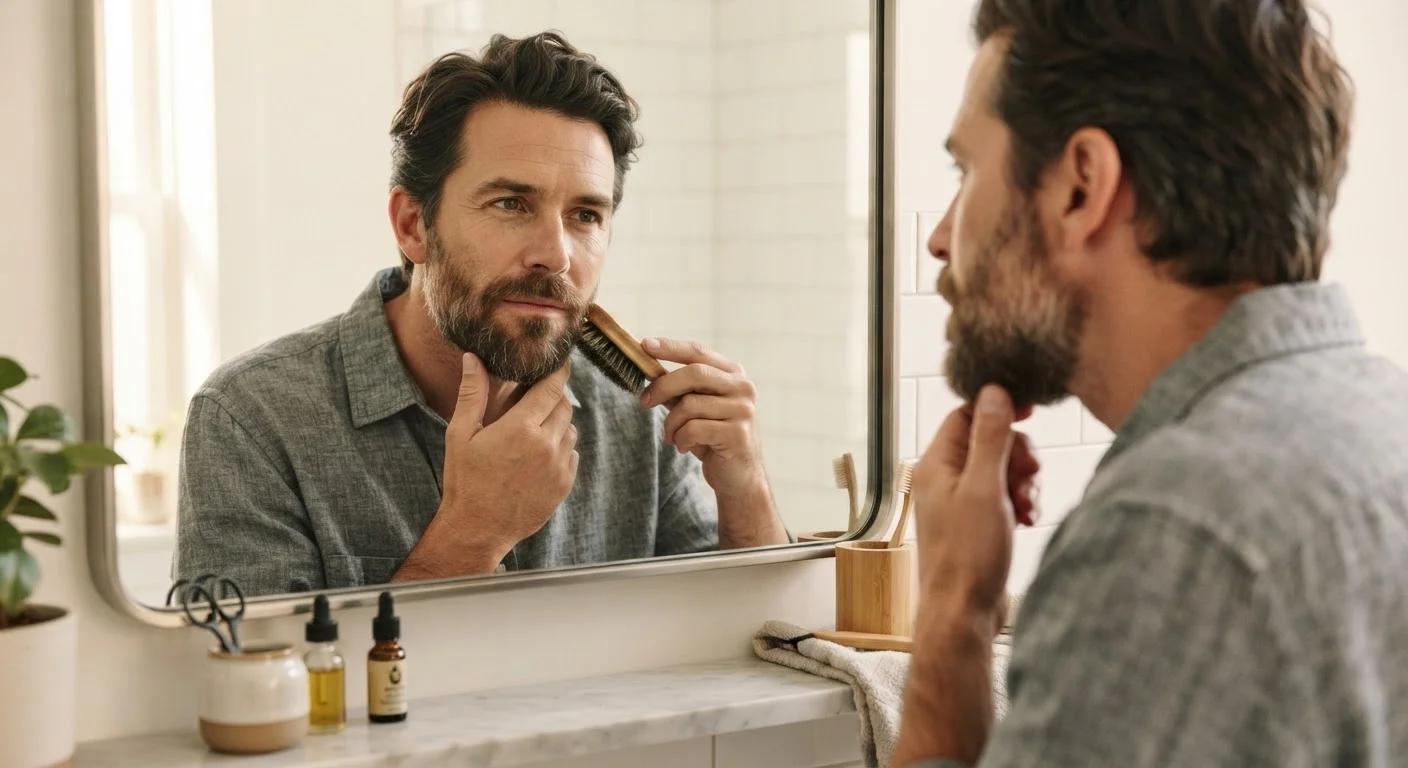
Growing a beard is genuinely rewarding for people who are prepared for the maintenance, the awkward in-between phase, and the skin care it demands. It is not inherently easier than shaving — just a different kind of commitment. When approached intentionally, it can be a satisfying and practical part of a grooming routine.
Best suited to people who enjoy low-frequency but consistent grooming, are comfortable with a transitional period, and are willing to invest a modest amount of time in upkeep and skin care.
Why Beard Growth Deserves an Honest Look
Whether you're tired of daily shaving, curious about a new look, or simply exploring what works for your lifestyle, growing a beard is one of the most common grooming decisions people make. And yet, the process rarely goes exactly how anyone imagines it will.
The reality sits somewhere between "effortless rugged look" and "surprisingly demanding project." Understanding both sides before you commit makes the experience far more satisfying — and helps you build a grooming routine that actually holds up. For a broader view of building sustainable habits, see our piece on building a grooming routine that holds up when life gets busy.
Reduces frequency of daily shaving sessions
Once established, a beard eliminates the need to shave daily, which can reduce razor irritation, ingrown hairs, and the time spent on a daily blade routine.
Provides natural protection for facial skin
Beard hair offers a modest physical barrier against wind, cold air, and UV exposure on the lower face — particularly relevant for people who spend time outdoors.
Can complement a wide range of face shapes
With the right length and shaping, a beard can visually adjust the proportions of the jaw, chin, and cheekbones, giving people more flexibility in their appearance.
Offers a meaningful form of personal expression
For many people, choosing to grow and maintain a beard is a confident act of self-expression and identity — a simple but visible way to define your personal style.
Can become a low-effort routine once established
After the initial grow-out phase, a well-maintained beard requires only periodic trimming and basic conditioning — manageable for most schedules when built into a routine.
The Real Downsides You Should Expect
No honest breakdown skips the rough parts. Here's what actually catches people off guard.
The awkward grow-out phase is real and uncomfortable
Most people experience four to eight weeks of itchiness, patchiness, and an unkempt appearance before the beard starts looking intentional. This phase discourages many before the results arrive.
Requires consistent trimming and shaping to look groomed
An untrimmed beard can quickly look neglected. Maintaining clean necklines and cheek edges requires regular attention — either at home with the right tools or with professional help.
Skin underneath the beard needs dedicated care
Trapped moisture, product buildup, and limited airflow can lead to dryness, flaking, or breakouts if the skin beneath the beard isn't regularly cleaned and moisturized.
Genetics significantly limit growth potential
Patchiness, uneven density, and slow growth are largely determined by hereditary factors. No product or routine can reliably override what genetics have set.
May not suit all workplace or social contexts
Some professional environments have grooming standards that limit beard length or style. It's worth understanding your specific context before committing to a longer style.
Genetics Set the Foundation
Genetics play a significant role in beard growth patterns. Density, color variation, patchiness, and growth rate are all largely inherited traits. While skin care and nutrition support overall hair health, they cannot override your genetic baseline. Adjusting expectations early saves a lot of frustration.
Genetics play a significant role in beard growth patterns. Density, color variation, patchiness, and growth rate are all largely inherited traits. While skin care and nutrition support overall hair health, they cannot override your genetic baseline. Adjusting expectations early saves a lot of frustration.
Skin Care Is the Part Most People Skip
One of the most overlooked aspects of beard growth is what's happening underneath the hair. Facial skin still produces oil, sheds dead skin cells, and reacts to environmental factors — all of which become harder to manage once hair is in the way.
Washing the beard two to four times per week with a gentle cleanser helps prevent buildup without stripping natural moisture. Applying a lightweight, non-comedogenic moisturizer to the skin beneath supports comfort and reduces flaking. Beard oil — typically a blend of carrier oils — can help soften coarser hair and soothe the skin, though results vary by skin type.
It's worth separating well-supported practices from overhyped ones. Our piece on self-care myths that are wasting your time and money is a useful reality check on which grooming claims actually hold up to scrutiny.
~4–8 weeks
Typical awkward grow-out phase duration
Dermatologists and grooming professionals generally estimate this as the period before a beard begins to look shaped and intentional for most people.
~½ inch/month
Average facial hair growth rate
The American Academy of Dermatology notes that facial hair, like scalp hair, typically grows around half an inch per month on average, though this varies by individual.
Shaving vs. Growing: A Different Kind of Commitment
A common misconception is that growing a beard eliminates grooming time. For many people it simply redistributes it. Instead of a daily five-minute shave, you're doing less frequent but more involved maintenance — trimming, shaping necklines, conditioning, and addressing skin care.
Whether that trade-off suits you depends entirely on your preferences and schedule. If you currently shave and are weighing your options, our guide to manual razors vs. electric shavers can help you think through the practical differences if you ever want to go back — or keep the neckline and cheek edges clean while growing.
Grooming needs also shift over time. Skin texture changes, beard hair can become coarser or sparser with age, and what works at 25 may need adjusting at 40. Our article on grooming habits worth building before your 30s covers how to adapt your routine as your skin and hair evolve.
The bottom line: a beard is not a shortcut. It's a style and lifestyle choice that, when approached with realistic expectations and a little consistency, can be genuinely enjoyable and worth the effort.
The content on this site is for informational purposes only and is not a substitute for professional advice. Always consult a qualified professional for guidance specific to your situation.