

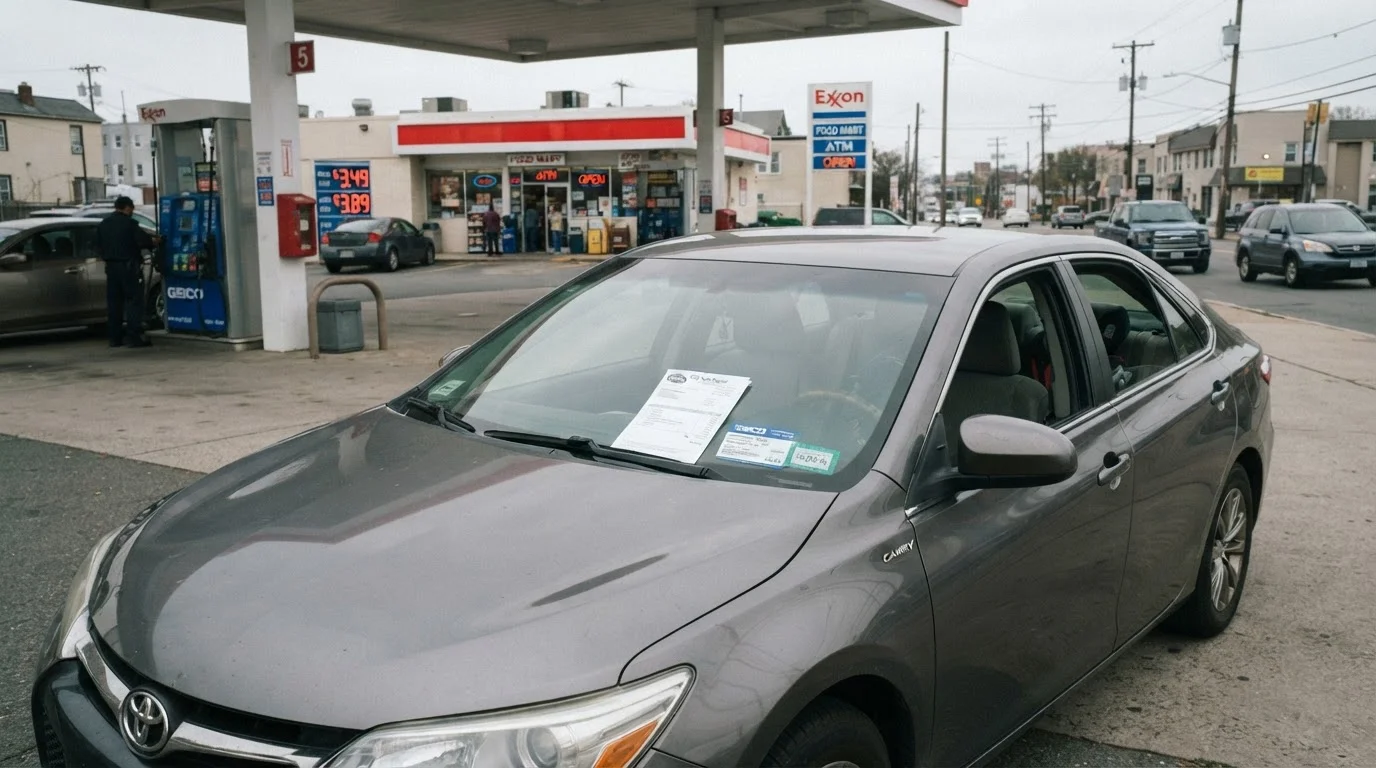
Why the Monthly Payment Is Only Part of the Story
When most people shop for a car, they anchor on one number: the monthly payment. It's understandable - that figure fits neatly into a budget spreadsheet. But transportation experts and financial planners consistently flag this as one of the most common planning mistakes American drivers make.
A car payment covers the principal and interest on your loan (or the use fee on a lease). It doesn't touch fuel, insurance, routine maintenance, tires, registration fees, or the steady loss of the vehicle's value over time. Taken together, those additional costs can easily match or surpass the loan payment itself.
If you're weighing whether to buy or lease, understanding the full cost picture is essential - see our breakdown of leasing vs. buying for how those structures affect long-term expenses differently.
$12,000+
Estimated average annual new vehicle ownership cost
AAA's annual "Your Driving Costs" study has found average total ownership costs for new vehicles consistently exceeding $10,000-$12,000 per year when all expenses are factored in.
~20%
Typical first-year depreciation on a new car
Many new vehicles lose roughly 15-20% of their value in the first year of ownership, according to widely cited automotive valuation research.
3x
Insurance cost variation across US states
Average auto insurance premiums can differ by a factor of three or more between the lowest- and highest-cost states, based on state insurance department data.
Depreciation: The Hidden Largest Expense
Depreciation - the decline in a vehicle's market value over time - is consistently the biggest ownership cost that drivers overlook, because no invoice arrives for it. A new vehicle can lose a significant portion of its value within the first few years of ownership. That lost value is real money, whether you're financing, paying cash, or considering a trade-in.
Depreciation also has practical consequences beyond resale. It affects how much your insurer pays if the vehicle is totaled, and whether you owe more on a loan than the car is worth - a situation called being "underwater" or "upside-down." For a plain-language explanation of how this works, our article on how car depreciation works covers the mechanics in detail.
“Depreciation is the single biggest cost of vehicle ownership for most people - yet it's also the least visible. Drivers who understand it make fundamentally different decisions about what to buy and how to finance it.”
— AAA Automotive Research, Leading US automotive consumer research organization
Insurance, Fuel, and Maintenance: The Recurring Costs
Insurance is non-negotiable for legal road use in virtually every state, and premiums vary widely based on your driving record, location, age, the vehicle itself, and the coverage levels you carry. Many drivers are also working with misconceptions about what their policy actually covers - our guide to common auto insurance myths is worth reading before your next renewal.
Fuel is a variable cost tied directly to how much you drive and your vehicle's efficiency. The powertrain type you choose - gas, hybrid, or electric - has a real long-term impact on what you spend at the pump or charging station. Our overview of gas vs. hybrid vs. electric ownership differences walks through those distinctions clearly.
Maintenance includes oil changes, tire rotations, brake inspections, fluid replacements, and filter swaps. These are predictable costs on a schedule set by the manufacturer. Skipping them rarely saves money - deferred maintenance typically leads to larger, more expensive repairs down the road. First-time owners can find a practical schedule overview in our first-time car owner's roadmap.
Build a Vehicle Budget Line Before You Buy
Before committing to any vehicle, total up estimated insurance, fuel, and maintenance costs alongside the payment. A useful target many financial planners suggest: total transportation costs (including the payment) should stay within 15-20% of your take-home pay. This is general guidance - your own financial situation should guide your specific decisions.
Irregular and Often-Forgotten Expenses
Beyond the recurring monthly costs sit a category of expenses that arrive unpredictably but are entirely foreseeable over a vehicle's lifetime:
- Tires: A full set of replacement tires is a substantial cost that most drivers will face at least once every few years depending on mileage and driving conditions.
- Registration and taxes: Annual registration fees vary by state and sometimes by vehicle weight or value. Some states also apply personal property taxes to vehicles.
- Repairs: Even well-maintained vehicles require unplanned repairs - a brake caliper, a water pump, or a battery replacement can each run hundreds of dollars.
- Parking and tolls: In urban areas especially, these can add meaningfully to monthly transportation spending.
- Emissions testing and inspections: Required periodically in many states, with associated fees.
Treating these as budget categories rather than surprises is one of the most practical shifts a driver can make. Building a dedicated vehicle fund - separate from your emergency fund - gives you a cushion when these expenses land. For broader budgeting strategies, the budgeting basics hub offers useful frameworks.
Frequently Asked Questions
According to AAA's vehicle cost studies, the average annual cost of owning and operating a new vehicle in the United States has consistently run above $10,000 when all expenses are included. This varies based on vehicle type, driving habits, location, and insurance profile. Used vehicles generally carry lower purchase costs but may incur higher repair expenses.
Yes - depreciation affects your finances even if you plan to keep the vehicle long-term. It influences your insurance settlement if the car is totaled, your trade-in value, and how much equity you hold versus what you owe on a loan. Understanding it helps you make smarter financing and coverage decisions.
A common rule of thumb is to set aside roughly 1-2% of the vehicle's value per year for maintenance and repairs, though actual costs vary by age, mileage, and make. Newer vehicles under warranty typically cost less to maintain in the short term, while older, higher-mileage vehicles may require more frequent repairs.
Significantly. Insurance premiums vary by state and zip code. Fuel costs differ by region. Some states have higher registration fees or require emissions testing. Urban drivers may also pay for parking, tolls, or congestion fees that rural drivers do not.
Yes, through several practical habits: keeping up with scheduled maintenance to avoid costly repairs, shopping your insurance policy periodically, driving efficiently to improve fuel economy, and choosing a vehicle with a strong reliability record. No approach eliminates costs, but informed decisions can keep them manageable.
The content on this site is for informational purposes only and is not a substitute for professional advice. Always consult a qualified professional for guidance specific to your situation.