

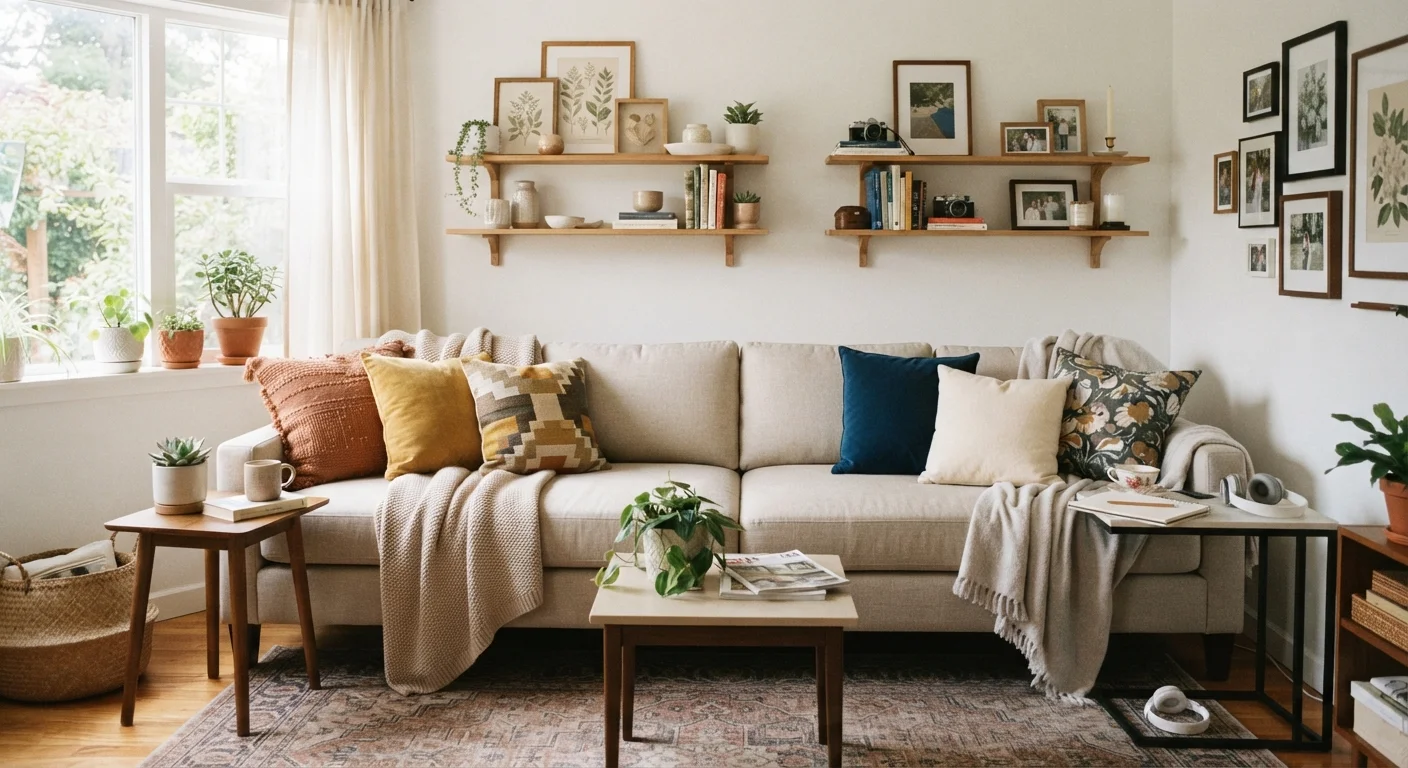
Why Shared Spaces Become Contested Spaces
Living with others - whether a partner, roommates, or family members - means navigating genuinely different ideas about what a tidy home looks like. One person's relaxed clutter is another person's source of daily stress. These differences are real, and dismissing them as laziness or perfectionism misses the point.
The challenge is not to eliminate difference but to create a shared framework that functions for everyone without demanding that anyone abandon their natural tendencies entirely. That starts with accepting a fundamental truth: the goal is a workable system, not a showroom. See why a visually tidy room can still feel chaotic for more on how perception of order varies from person to person.
This Isn't About Being Right
Tidiness preferences are shaped by upbringing, personality, and stress responses - none of which make someone fundamentally right or wrong. Research in environmental psychology suggests that people genuinely perceive and respond to clutter differently. Framing shared organization as a logistical problem to solve together, rather than a character judgment, leads to more durable outcomes.
Proven Practices for Multi-Person Organization
The following approaches are grounded in how households actually function - not how we wish they would. Each practice focuses on reducing friction rather than assigning blame, and on building systems robust enough to survive different personalities and schedules.
Establish a minimum shared standard for common areas rather than aiming for uniform tidiness throughout the home.
Trying to impose one person's ideal level of order on everyone in the household typically creates resentment and fails within weeks. A baseline standard - surfaces clear of dishes, common floors walkable, shared mail sorted - gives everyone a concrete, achievable target without demanding identical habits.
Designate personal zones where each person controls their own standards completely.
Personal autonomy over a defined space reduces the pressure people feel about shared areas. When someone knows their desk corner or bedroom is truly theirs, they are often more willing to meet shared standards elsewhere in the home.
Create drop zones with dedicated homes for the items that cause the most recurring conflict.
Most household friction clusters around a handful of repeat offenders - keys, bags, shoes, mail, and chargers. Building a specific, convenient landing spot for each category removes the ambiguity that leads to misplaced items and surface clutter.
Use visible, labeled storage so everyone can find and return items without asking.
Unlabeled systems work for the person who designed them and no one else. Clear labels on bins, shelves, and drawers reduce the cognitive load on every household member and make it easy for anyone to maintain the system - not just the person who set it up.
Schedule brief, regular household check-ins instead of waiting until frustration peaks.
Grievances about shared spaces compound when left unspoken. A fifteen-minute monthly conversation about what is working and what needs adjusting keeps small issues from calcifying into recurring arguments and allows systems to evolve as household needs change.
Design systems around actual behavior patterns, not idealized ones.
A system that requires someone to walk to another room to file papers will not be followed. Effective shared organization works with the natural flow of how people move through the space, placing storage where items are actually used or dropped.
For a complementary approach to structuring the home itself, the zone-based organization method offers a practical framework for dividing your space into functional areas that reduce ambiguity and daily decision-making.
Quick Wins You Can Implement Today
You do not need everyone's full buy-in to start improving a shared space. A few targeted changes can reduce friction immediately, often prompting the rest of the household to participate once results are visible.
Once these fundamentals are in place, day-to-day habits that prevent clutter from returning can help the household maintain momentum without constant reorganization effort.
Building a System That Lasts
The most durable shared organization systems share one characteristic: they were designed around the people using them, not imposed on them. A system that one person builds and enforces alone will not survive long-term. A system everyone helped shape - even imperfectly - is far more likely to stick.
“The goal of a shared home is not perfection - it is a livable system that everyone can sustain. The best organization plan is the one people will actually follow.”
— Home & Living Editorial Team, Home organization specialists
Revisit your system periodically. Life changes - new jobs, a growing family, a new roommate - and your home's organization needs will shift accordingly. Treating shared organization as an ongoing conversation rather than a one-time project is what separates homes that stay functional from those that cycle endlessly through chaos and reset.
If storage constraints are compounding the challenge, it is worth reviewing common storage myths that may be working against you before investing in more bins or shelving units.
The content on this site is for informational purposes only and is not a substitute for professional advice. Always consult a qualified professional for guidance specific to your situation.