

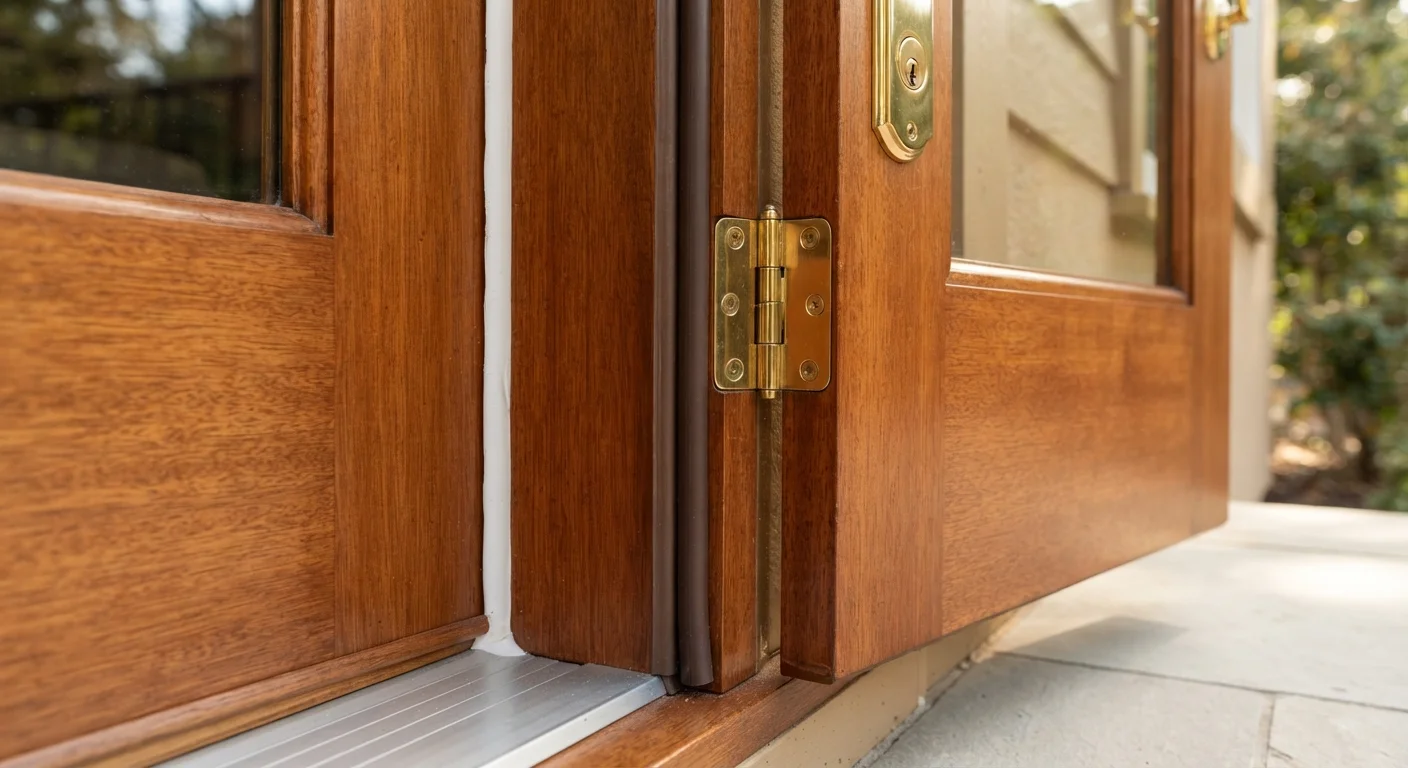
Why Window and Door Maintenance Matters
Windows and exterior doors are your home's primary barrier against weather, noise, and energy loss. When seals degrade, frames crack, or hardware loosens, the effects compound quickly: drafts raise heating and cooling bills, moisture infiltrates framing, and wood begins to rot. In climates with temperature swings, the expansion and contraction of materials accelerates deterioration even faster.
Routine maintenance is far less costly than replacement. A tube of caulk and a roll of weatherstripping costs a fraction of a new door unit or window frame repair. Keeping these components in good shape is a core part of any sound home maintenance plan - see your home's annual maintenance calendar for how this task fits into a year-round schedule.
25-30%
Home heat loss through windows and doors
The U.S. Department of Energy estimates that windows and doors can account for roughly 25-30% of residential heating and cooling energy use when poorly sealed.
$200-$1,500+
Typical window frame rot repair cost
Repair costs vary widely based on damage extent, frame material, and labor rates; catching rot early can keep repairs at the lower end of the range.
5-10 years
Expected lifespan of quality exterior caulk
Silicone and siliconized acrylic caulks applied correctly on clean, dry surfaces typically last this long before requiring reapplication.
Inspecting and Replacing Weatherstripping
Weatherstripping is the compressible seal lining the edges of doors and operable windows. It prevents conditioned air from escaping and outdoor air from entering. Over time, foam, rubber, and vinyl strips compress permanently, crack, or pull away from their channels.
How to Check It
Close the door or window firmly and run your hand along the perimeter on a windy day. Any airflow indicates a gap. Alternatively, hold a lit incense stick or thin strip of paper near the closed edges - movement signals a draft. Visually inspect the strip: crumbling foam, visible tears, or flattened rubber that no longer springs back are clear signs of failure.
Types and Replacement
- V-strip (tension seal): Durable plastic or metal folded into a V-shape; fits inside door channels and along sliding window tracks.
- Foam tape: Easy to apply, lower durability; best for rarely used doors or secondary windows.
- Door sweeps: Attached to the door bottom to seal the gap against the threshold.
- Bulb or Q-lon seal: Compressed-fit rubber profiles that seat into a kerf (slot) in the door stop; very durable.
Remove old adhesive-backed strips with a plastic scraper; clean the surface thoroughly before applying new material so adhesion holds. For door sweeps, measure carefully and trim to length before fastening.
Test weatherstripping at night with a flashlight: have someone shine a light from inside while you look at the closed door edge from outside - light gaps reveal exactly where the seal is failing.
This quick diagnostic pinpoints failure locations more precisely than a hand-sweep test, especially on large or multi-panel doors where gaps may be intermittent.
Before replacing an entire door sweep, check whether the threshold adjustment screws have simply backed out - many modern thresholds are height-adjustable and can close a gap without any new parts.
Threshold height often shifts with seasonal door movement; adjusting it takes minutes and extends the life of an otherwise sound door sweep.
Caulking: When to Reapply and How
Exterior caulk seals the joint between window and door frames and the surrounding siding or masonry. It is the first line of defense against water infiltration at these transitions. Caulk typically lasts five to ten years depending on the product, substrate, and climate exposure.
Signs Caulk Needs Attention
- Visible cracks, gaps, or separation from the substrate on either side
- Chalky or powdery surface texture
- Mold growth along the bead, especially in damp climates
- Water staining on the interior wall below a window
Choosing the Right Product
For exterior window and door frames, a paintable silicone-latex (siliconized acrylic) caulk works well on most surfaces - it bonds to wood, vinyl, and painted surfaces, and accepts paint after curing. Pure silicone is more durable and flexible but cannot be painted. Always check product compatibility with your substrate.
For a deeper look at why caulk fails prematurely and the correct application technique, see why caulk fails and how to apply it correctly. Proper surface prep - removing old caulk completely and cleaning the joint - is the most important factor in longevity.
Apply Caulk in Moderate Temperatures
Most exterior caulks specify an application temperature range of roughly 40-90°F (4-32°C). Applying below this range reduces adhesion and can cause the bead to crack as temperatures drop further. Plan caulking tasks for dry days in late spring or early fall for the best cure conditions.
Hardware Maintenance and Adjustment
Hinges, locks, strike plates, window cranks, and sash lifts all require periodic attention. Hardware problems are often dismissed as minor annoyances but can signal structural settling or, left unaddressed, lead to security vulnerabilities and frame damage.
Common Issues and Fixes
- Stiff or squeaking hinges
- Remove the hinge pin, clean off corrosion with a wire brush, and apply a dry lubricant or petroleum jelly before reinserting. Avoid spray oils that attract dust.
- Door that rubs or won't latch
- Check hinge screws first - loose screws are the most common cause. Replace worn screws with longer ones that bite into the door framing. If the door has shifted due to seasonal movement, a strike plate can often be repositioned rather than planing the door itself.
- Window cranks (casements)
- Clean the operator mechanism and apply a light grease to the gear teeth annually. A crank that requires excessive force usually indicates a worn operator that should be replaced.
- Deadbolts and locks
- Spray a small amount of graphite powder into the keyway annually. Avoid oil-based lubricants, which gum up pin tumblers over time.
For multi-point locking systems common on French and sliding doors, follow the manufacturer's lubrication guidance - these systems involve more moving parts and benefit from annual inspection of all latch points.
Frame and Sill Condition: Wood, Vinyl, and Aluminum
The frame material determines the type of maintenance required and the failure modes to watch for.
Wood Frames
Wood is prone to moisture damage, rot, and paint failure. Inspect painted surfaces annually for bubbling, peeling, or soft spots - a screwdriver gently pressed into a suspicious area will reveal rot if the wood is spongy. Minor surface rot can be treated with a consolidant and epoxy filler; extensive rot in a structural sill typically requires professional replacement. Repaint or reseal bare wood promptly; most manufacturers recommend repainting every five to seven years depending on climate and sun exposure.
Vinyl Frames
Vinyl requires little maintenance beyond cleaning with mild soap and water. Inspect corner welds for cracking or separation - failed welds allow water to track into the wall cavity. Severely cracked vinyl framing is generally not repairable and warrants replacement.
Aluminum Frames
Aluminum is prone to oxidation (a chalky white residue) and, in some climates, corrosion at fastener points. Clean with a non-abrasive cleaner and apply a protective wax. Check glazing tape and glazing beads where glass meets the frame - degraded glazing seals allow water intrusion and thermal performance loss.
Moisture around window frames is also a signal to examine adjacent areas. Our guide on keeping a basement dry explains how water infiltration at one point in the envelope can affect other parts of your home.
Don't Paint Over Rot or Bare Wood
Painting over rotted wood traps moisture beneath the surface and accelerates decay. Always probe suspicious areas, treat or replace damaged wood fully, and prime bare wood before applying a topcoat. Skipping this step leads to paint failure within a single season.
Seasonal Maintenance Schedule
Organizing your window and door maintenance by season keeps tasks manageable and ensures nothing is missed. This schedule aligns with broader home upkeep - a homeowner's seasonal maintenance calendar provides additional context for fitting these tasks into a full-year plan.
Fall (Pre-Winter Check)
- Test all weatherstripping by feel and visual inspection; replace any that has flattened or cracked.
- Inspect exterior caulk at all window and door perimeters; reapply where needed so it cures before freezing temperatures arrive.
- Lubricate locks, hinges, and latches before cold weather makes metal components contract and stiffen.
- Check door thresholds and sweeps for wear; a worn sweep lets cold air and pests enter at floor level.
Spring (Post-Winter Assessment)
- Look for paint peeling, wood swelling, or frame shifts caused by winter freeze-thaw cycles.
- Clean weep holes on windows (small drainage slots at the bottom of the frame) - these often clog with debris over winter.
- Inspect glazing compound on older single-pane windows; crumbling glazing should be replaced before moisture season.
- Assess any condensation damage on interior sills.
Combining window and door checks with exterior work - such as deck inspection described in deck care through the seasons - makes efficient use of a single walkround of the home's exterior.
When to Call a Professional
Most seal, hardware, and surface maintenance tasks are well within a confident homeowner's capability. However, some situations call for a licensed contractor or window professional.
- Failed insulated glass units (IGUs): Fogging or condensation between panes means the sealed gas fill has been lost. IGU replacement requires professional glazing tools and knowledge.
- Structural rot in load-bearing sills or headers: Rot that has penetrated into framing lumber around a rough opening affects structural integrity. A licensed contractor should assess and repair this work.
- Significant air leakage after sealing: If drafts persist after replacing weatherstripping and caulk, a professional energy auditor using a blower-door test can identify hidden gaps in the building envelope. See weatherproofing a home before winter for guidance on that process.
- Door frame that is visibly racked or out of plumb: This may indicate foundation movement or framing settlement - a structural issue beyond routine maintenance.
Permits May Be Required for Full Replacement
Replacing a window or exterior door unit - as opposed to repairing seals and hardware - often requires a building permit in many U.S. jurisdictions, particularly when the rough opening is altered. Check with your local building department before beginning replacement work. Unpermitted work can create complications with home insurance and resale.
Staying consistent with routine inspections dramatically narrows the range of repairs that escalate to professional work. Most problems caught early - a cracked caulk bead, a flattening foam strip - are inexpensive to address. Left unattended, the same issues can involve water damage, mold remediation, or full frame replacement.
The content on this site is for informational purposes only and is not a substitute for professional advice. Always consult a qualified professional for guidance specific to your situation.